Research Paper (unpublished)
A design experiment mapping out new ways of interacting with care and content labelling: Creating apparel textile transparency from source to Canadian consumer
Abstract
This paper investigates the urgent need for transparency in Canada's apparel textile industry, emphasizing the consumer-textile disconnect contributing to environmental and social issues. It explores enhancing care and content labels to bridge this gap, encouraging informed purchasing and responsible waste management. The study confronts industry challenges, like stakeholder disengagement and information inaccessibility, which impede consumer autonomy, hypothesizing that transparent, comprehensive labels can drive eco-conscious choices. Reviewing societal, environmental, and political implications of current practices, the research advocates label redesign, suggesting this transparency could catalyze industry-wide change, influencing policy, consumer behavior, and environmental preservation.
Care & Content Labelling
This research design delves into the intricate lifecycle of textile garments, emphasizing traceability, sustainability, and accountability, crucial factors affecting consumer interactions with garment labeling. The study dissects three stages:
NOW (focus on traceability from raw materials to garment assembly),
DURING (sustainability through collaborative consumption and government and maker roles),
AFTER (accountability in post-consumer garment lifecycle).
The proposal advocates for a transformative approach in garment labeling, enabling consumers to understand a product’s environmental impact, ethical manufacturing, and social implications. By integrating technology and user feedback, the new labels aim to bridge the knowledge gap, encouraging conscious consumerism and systemic change in textile waste and sustainability.
-
Textiles play an integral role in our daily lives, accompanying us through various activities, from home decor to our commuting vehicles, and notably, our attire. These materials are not just functional but also profoundly personal, closely interacting with our bodies and reflecting intricate societal constructs like wealth, dignity, and identity (Fletcher, 2014). However, there's a disconnection. We often disengage from our garments once they lose their immediate relevance, seldom considering the journey they undergo once discarded. Our awareness rarely extends to the repercussions of textile waste, leaving us detached from the continued life cycle of these materials.
This study explores the potential role of design in bridging this gap, emphasizing the garment's life span from creation to disposal. It investigates how facilitating consumers' access to detailed information—such as the garment's origin, manufacturing process, involved parties, and end-of-life options—can foster a more profound connection between consumers' social realms and their apparel.
Within the Canadian textile industry, several hurdles impede this vision. A significant obstacle stems from the industry's hesitation to engage in pertinent research, such as the study initiated by Fashion Takes Action (2021), under Environment and Climate Change Canada's commission. This research aimed to delve into the complexities of recycling textile waste in Canada, but faced resistance from various industry players including yarn spinners, manufacturers, designers, and retailers (FTA, 2021). This reluctance contributes to a critical issue: the escalating textile waste amounting to 480,576 tonnes in 2018 alone, much of which, lacking substantial advances in recycling methods, finds its way into landfills (FTA, 2021, p. 4).
The concern extends to the realm of consumer interaction—specifically, care and content labelling. The current state of inaccessible or opaque information diminishes consumers' perceptual fluency, limiting their experiences and, consequently, their autonomy in making informed decisions (Barsalou, 2009). This information gap forces consumers to depend on branding cues—such as labels or hangtags—which, though intended to communicate garment specifics, may not effectively convey the needed transparency or accuracy. As a result, consumers remain reliant on external entities—whether government consumer protections, brand marketing, or third-party certifications—to navigate their purchasing choices.
Moreover, this information deficit affects consumers' practical understanding of garment care and fibre content, restricting their ability to learn and differentiate effectively (Barsalou, 2009). This constraint not only hinders the consumer's capacity to extend these insights into their broader 'life world' but also perpetuates dependence on regulated standards or brand assurances for guidance.
In light of these challenges, coupled with the pressing environmental concerns emphasized by Environment and Climate Change Canada, it is imperative to strategize solutions that enhance transparency throughout the garment's journey. This approach necessitates a thorough and accessible link between the product's inception and its final interaction with the consumer, fostering informed decisions and sustainable practices.
-
The necessity for Canadian consumers to make more informed textile choices is underscored by the escalating environmental repercussions of textile waste, a critical issue that demands urgent attention. However, the challenge lies in the inherent complexity of the textile industry and the often ambiguous information presented to consumers. This obscurity complicates discerning what precisely constitutes a "better" textile choice.
-
The hypothesis posits that enhancing accessibility to detailed care and content information empowers consumers to make more relevant purchasing decisions. By interacting with care and content labels tailored to their individual goals, consumers can establish a reference framework that facilitates similar future decision-making processes (Ariely 2000). The hypothesis further suggests a holistic approach, where consumers are provided with transparent information encompassing three critical stages of a garment's life: the "traceability" during the pre-purchase phase (NOW), the "sustainability" practices involved in the product's current use (DURING), and the "accountability" concerning post-usage outcomes (AFTER). This comprehensive awareness is projected to promote better environmental choices regarding fibre content, foster deeper engagement among all industry actors, and contribute significantly to diverting textiles from landfills by informing more responsible consumer behavior.
-
In 2001, a pivotal U.S. survey was conducted to assess the potential impact of a "No Sweat" label or hang tag on the apparel industry, specifically whether it could incite change within garment manufacturing practices (Dickson 2001). Despite the two decades since its publication, the study's insights remain relevant. It highlighted a dichotomy wherein consumers expressed concerns about inequality and human rights violations in apparel production but hesitated to pay more than an additional dollar for items produced under certified No Sweat conditions. The findings were sobering, indicating that while 16% of respondents were willing to adjust their purchasing behavior influenced by the No Sweat label, this measure alone wouldn't catalyze the extensive systemic change needed in apparel manufacturing.
This raises a provocative question: what if the approach had been inverted, introducing a "Sweat" label to identify manufacturers not adhering to human rights standards? This direct strategy could potentially shift the accountability spotlight onto brands, compelling them to reevaluate their manufacturing choices to avoid negative public perception. Would such public accountability generate more substantial changes in manufacturing decisions?
Building on these considerations, the present research operates under the premise that a revamped care and content labeling system, which takes into account the full spectrum of social, environmental, and political costs, could indeed stimulate profound systemic transformations. These changes could be most influential at the crucial stages of raw material sourcing and manufacturing in a textile's life cycle, driving a more ethical and sustainable industry standard.
-
The social costs embedded within the cotton industry are profound and deeply rooted in historical power dynamics. Beckert (2014) elucidates in Chapter 14 of his work that the industry, originally constructed on the principles of slavery, continues to be tainted by stark power imbalances. These disparities exist among various stakeholders, including governments, retailers, farmers, and the workforce, creating a continuum of exploitation and control.
In the modern commercial landscape, retailers play a pivotal role in perpetuating these imbalances. They fuel the cotton empire, yet cleverly distance themselves from the realities faced by cotton farmers. This detachment is facilitated through nebulous relationships with manufacturers, who serve as intermediaries, linking retailers with cotton supplies that do not ostensibly align with the brand’s public persona. By strategically focusing their attention on marketing and distribution aspects, retailers conveniently allow the sourcing phase to elude the ethical radar of their brand’s design team. This intentional oversight paves the way for alarming social consequences.
One of the most striking manifestations of this systemic issue is evident in Uzbekistan, the world's seventh-largest cotton producer. Here, a staggering contingent of 2 million children is coercively mobilized by the government for cotton harvesting (Beckert 2014, pg. 438). This reliance on unethical labor practices underscores a fear entrenched in these governments: the apprehension of alienating manufacturers and retailers. There is a pervasive concern that any strides toward improving workers’ rights would prompt these corporations to relocate their business, seeking more cost-effective, often less ethical labor pools (Beckert 2014, pg. 440).
This dynamic casts workers' rights into a state of vulnerability, especially considering that around 350 million individuals engaged in various stages of the cotton industry — from cultivation to transportation — depend on corporate entities for their job security, rather than on protective measures from their governments (Beckert 2014, pg. 431). This scenario underscores a critical issue: the protection of the rights of those within the largest global industry hinges precariously on the very corporations that benefit from their labor, marking a conflict of interest that perpetuates the cycle of exploitation.
-
The environmental repercussions of the textile industry, particularly the cotton sector, extend significantly beyond the immediate social implications. Beckert (2014, pg. 432) details the alarming environmental degradation occurring in cotton-producing regions, including the severe depletion of local water resources and the degradation of soil quality. Despite resistance from local farmers, many governments enforce the continued cultivation of cotton, often through manipulative debt mechanisms. The introduction of genetically modified, more resilient cotton strains comes at a higher cost, coercing farmers into cycles of debt. Consequently, they find themselves trapped, fulfilling the incessant demand for cheap cotton products driven by Western retail markets.
The environmental strain of these practices is projected to escalate sharply, with cotton production and consumption expected to double by 2050. This increase translates to a jump from consuming 95.38 billion litres of water for 25.10 million tons of cotton (as of 2010) to a staggering 190.76 billion litres for 50.2 million tons (Fletcher 2014, pg. 10). These figures, albeit conservative, signal a looming water crisis, considering that, according to The World Counts, agriculture already accounts for 75-90% of a region's freshwater usage. The decision-making authority regarding crop choices and their geographical allocation raises crucial questions about future water security for local communities.
Amidst these complexities, Kate Fletcher's work in sustainability within fashion and textiles emerges as a compelling guide. She advocates for a diversification of fibers, increased transparency surrounding production processes, and a surge in innovative practices (Fletcher 2014, Chapter 1). A significant part of the solution, she argues, lies in mitigating the risks associated with monocultural production — a system currently dominated by cotton and polyester. This homogeneity stifles innovation and overlooks the potential of alternative fibers that might offer solutions to pressing environmental concerns, including biodegradability and resource renewability.
However, Fletcher also highlights the ambiguity in discerning 'sustainable' fibers, particularly when comparing cotton and polyester, the two juggernauts of the textile industry. The complexity of making environmentally responsible choices becomes evident when juxtaposing these materials. Cotton, seemingly a carbon-neutral option due to its cyclical consumption and release of carbon dioxide, loses its environmental sheen considering its excessive water footprint and substantial arable land usage, potentially diverting resources away from food production. To illustrate, Fletcher contrasts the water consumption between producing 1 kilogram of cotton, requiring 3800 litres of water, with polyester, which uses a mere 17 litres. Additionally, cotton farming heavily relies on pesticides, further contaminating local water supplies.
Conversely, polyester, while less demanding of water, requires double the energy for production, positioning it controversially in global efforts to reduce energy consumption. Thus, the predicament persists: the path towards environmentally sound decisions within the textile industry remains mired in complexity and nuance, underscoring the need for a multi-faceted approach to sustainability that extends beyond a simplistic cotton versus polyester debate.
-
The political dimension of the textile industry’s environmental impact is intricate and significant, particularly concerning carbon emissions. According to OEcotextiles (2011), textile production consumed a staggering 1,074 billion kWh of electricity globally, contributing substantially to carbon footprints. In a striking comparison, the report highlights that each American's textile purchases contribute approximately one ton (of their 19.8 tons) of carbon emissions annually, whereas the entire annual carbon footprint of an individual in Haiti stands at a mere 0.21 tons. This stark contrast underscores the disproportionate environmental impact of textile consumption across different socio-economic contexts.
This global urgency to address climate change has penetrated political agendas. Canadian Prime Minister Trudeau, in his mandate letters from December 16 to Minister Guilbeault of Environment and Climate Change, stresses the immediate need to innovate in our approach to environmental challenges (Trudeau 2021, pg. 6). He advocates for enhanced communication and collaboration across sectors, emphasizing partnerships as instrumental in driving change. One notable strategy involves collaborating with the Ministry of Innovation, Science, and Industry to amplify opportunities for plastic reuse and recycling, thereby advancing Canadian technological responses to these pressing issues.
Beyond innovation, there's a critical discourse surrounding labeling directives, a conversation that, while not exclusive to, is indeed pertinent within the textile industry. An interesting development is the regulation prohibiting the use of the recycle symbol unless the items can genuinely be diverted from landfills. However, a paradox emerges when considering textile waste management at the municipal level. Initiatives in places like Markham, Ontario, advocate for excluding textiles from residential waste collection. Still, this well-intentioned strategy faces a fundamental flaw: without a definitive end-market for recycled textiles, the whole system of textile waste diversion is undermined.
This dilemma is further illustrated in a 2018 report from Nova Scotia on textile waste diversion, pointing out that significant investment in recycling innovation is sorely needed within regions like Ontario. The report sheds light on the predicament faced by second-hand clothing entities, which accumulate vast quantities of lower-grade textiles with no subsequent processing or market solutions. For instance, one such business in Ontario is burdened with 272 tons of unprocessable textiles, stored in containers with nowhere to go (Chenoweth 2018, pg. 17). This stagnation not only highlights the gaps in the current waste management system but also underscores the necessity for multi-faceted, innovative approaches that encompass policy changes, technological advancements, and cross-sector collaboration to address the textile industry's profound environmental challenges.
-
The methodology section unfolds with the introduction of a conceptual framework that synergizes the Theory of Change with the Impact Frameworks, fostering a comprehensive design theory. This innovative approach, proposed by Bailey et al. (2021), is holistic, engaging all stakeholders in the design process, including those commissioning, procuring, investing, utilizing, actual designers, educators, policymakers, and business executives. This all-encompassing methodology does not merely focus on financial value; instead, it extends to assess and interpret social and environmental repercussions and their intrinsic worth.
Dubbed the MOIN concept, which advocates for Moving Beyond Financial Value, this theory is both evidence-based and action-oriented. It blends various methodologies and is deeply committed to addressing societal inequalities, albeit with an understanding and acknowledgment of possible unintended consequences. With its forward-looking and potential-focused stance, the theory underscores the transformative power of design.
Central to this framework are four pivotal stages: intent, action, impact, and value. The 'intent' stage delves into the motivations driving designers, embodying these aspirations within the social constructs of the products themselves (Bailey et al., 2021, pg. 10). Transitioning to 'action,' the framework acknowledges the genesis of environmental repercussions, advocating for diverse strategies—such as workshops—to preemptively address any adverse social and environmental fallout associated with design endeavors.
As the process advances to the 'impact' stage, it necessitates a multifaceted approach wherein stakeholders employ various methods, including carbon offsetting. This stage is critical as it considers the cascading effects during the production, utilization, disposal, and potential repurposing of designed objects. Finally, the 'value' phase offers a contemplative space, inviting introspection on the created design, its broader impacts, and an evaluation opportunity concerning the procedures, results, and the encompassing organizational context.
Intriguingly, it is at this juncture that the Impact Framework dovetails with the Theory of Change, creating a collaborative space for all involved parties. Here, critical inquiries into environmental, social, democratic, and financial capital are encouraged, facilitating a comprehensive understanding of the project's extensive implications and fostering an environment where conscientious, impactful design can thrive.
-
This research delves into the nuanced role of care and content labeling in influencing consumer behavior at various stages of a garment's life cycle. Specifically, it seeks to unravel the following interconnected questions:
How does care and content labeling inform and enhance consumer decision-making at the point of purchase?
In what manner does this labeling guide consumers in the proper care and maintenance of their garments, potentially extending the clothing's lifespan?
How does clear and informative labeling impact and potentially improve consumers' approaches to the disposal of their garments, contributing to more environmentally conscious decisions at the end of the product's life cycle?
Through these inquiries, the study aims to illuminate the often understated influence of labels not only in the immediate context of purchasing decisions but also in the ongoing stewardship and ultimate disposition of clothing items, fostering a more sustainable and informed consumer culture.
-
In the third trial, we will delve deeper with Experimental Group #2, employing a refined research design to explore the multifaceted impact of enhanced care and content labeling. This phase aims to unravel the complexity behind consumer decision-making processes by examining the following aspects:
How does the enrichment of information within care and content labels, combined with the integration of advanced technology and self-guided information exploration, foster long-term behavioral shifts? Specifically, we seek to understand how these elements together influence more environmentally conscious decisions.
What effect does this enriched, technology-integrated labeling have on the methods consumers employ in discarding textiles? We aim to discern any emergent patterns or practices that denote a shift towards sustainability.
When contrasted over a significant period, how does the behavior of Experimental Group #2 measure against that of the Control Group and Trial 2’s Experimental Group #1? This comparative analysis will help gauge the efficacy and impact of the interventions introduced.
Following the experiment, to what extent has the participants' interaction with garment labeling transformed? We will assess whether these changes denote a more profound engagement or understanding, potentially influencing purchasing and disposal behaviors.
Through these targeted inquiries, Trial 3 aspires to not only dissect the immediate implications of expanded and technologically integrated labeling but also to capture the ripple effects of this strategy on consumer habits over time.
-
This research is dedicated to uncovering methods to enhance transparency in a garment's journey from production to purchase, focusing specifically on advancing the clarity and comprehensiveness of care and content labeling.
-
This study delves into existing research on consumer comprehension of garment labeling, aiming to discern the impact of enhanced information accessibility on purchasing behaviors. By broadening the scope of details available, we seek to foster a deeper interaction among stakeholders, ranging from manufacturers to end consumers. We will scrutinize how this transparency in the garment's journey from origin to end-user could cultivate more environmentally conscious decisions across all involved parties.
-
This design proposal, informed by secondary research, pinpoints critical aspects within the textile realm—traceability, sustainability, and accountability—that could influence consumer engagement with labeling and a garment's subsequent life stages. The strategy recognizes three intertwined phases in a garment's lifecycle:
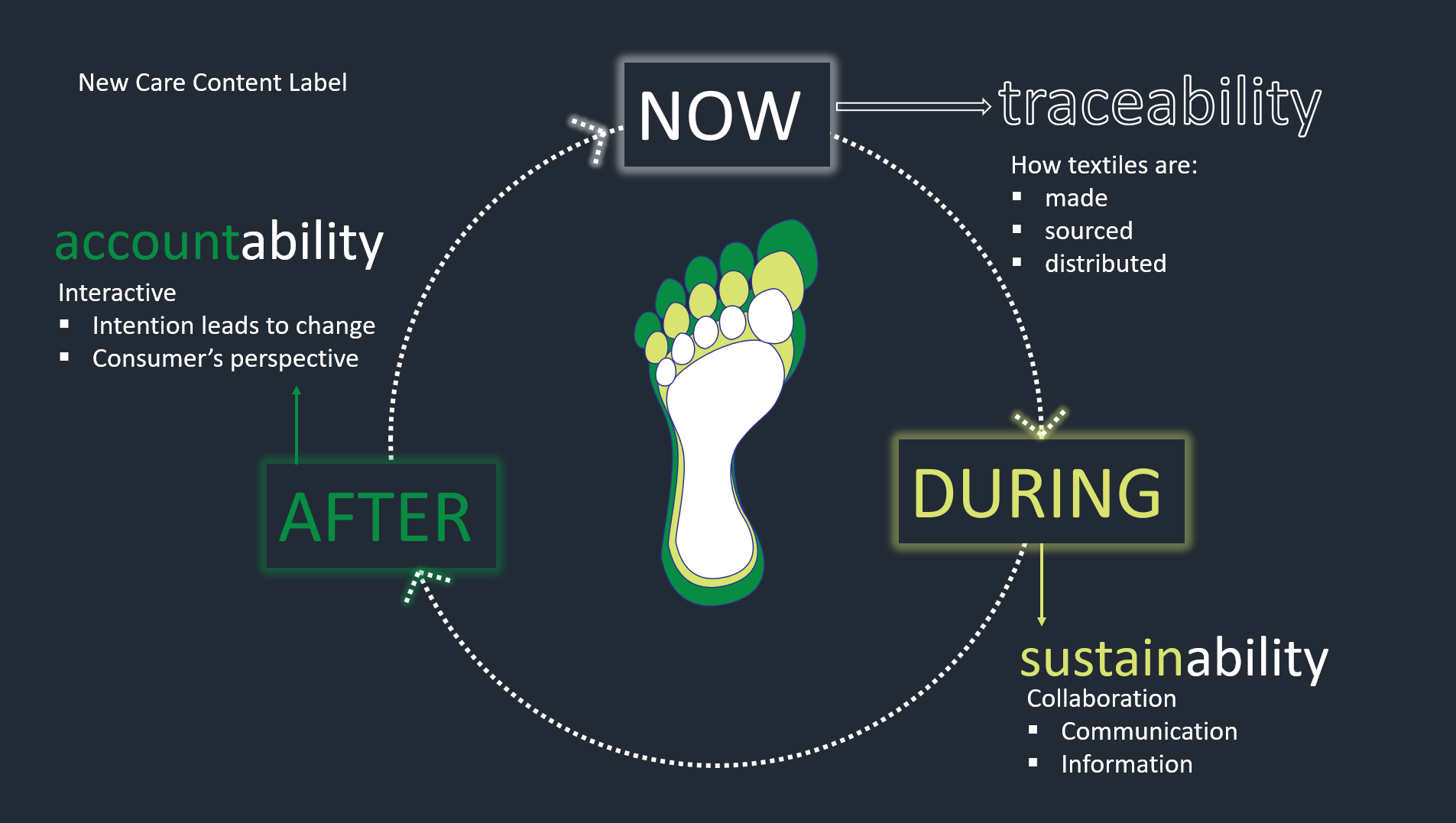
the NOW stage, emphasizing traceability,
the DURING stage, focusing on sustainability,
the AFTER stage, concerned with accountability.
-
The "NOW" stage encompasses the traceability aspect of textiles, delving into the roles of various stakeholders, the global footprint, and the intricate dynamics of the industry. It meticulously considers all facets of a textile garment, from raw materials, yarns, fabrics, to the final product and the findings utilized in its creation.
Traceability: A Five-Component Breakdown
Raw Material: This stage questions the country of origin and the implications of consumer support for such origins. It explores whether the garment's origin story influences consumer perception, if the brand is actively engaged in this production phase, and whether there's interaction with producers of natural fibers or synthetic ones. It also considers the environmental repercussions of repurposing textiles.
Yarn: This component examines the journey from raw material to yarn, identifying the energy sources of the production country, and assessing its environmental infrastructure, particularly in dyeing processes. It reflects on the nature of the businesses involved, focusing on employee welfare and working conditions.
Fabric: At this juncture, the focus shifts to the journey from yarn to fabric, the methodologies involved, and how this knowledge might alter consumer perceptions. It looks at operational aspects within production facilities, including worker safety and equality, and the environmental impact of chemical treatments.
Garment: This stage analyzes the fabric-to-garment journey, scrutinizing the brand-manufacturer dynamics, and the ethical implications of production practices. It assesses working conditions, gender equality in roles, compensation standards, and how these factors contribute to a garment's value for consumers.
Findings: The focus here is on the accessories—threads, buttons, zippers, labels—evaluating their quality, origin, travel footprint, and end-of-life recyclability, ensuring these often-overlooked details meet sustainability standards.
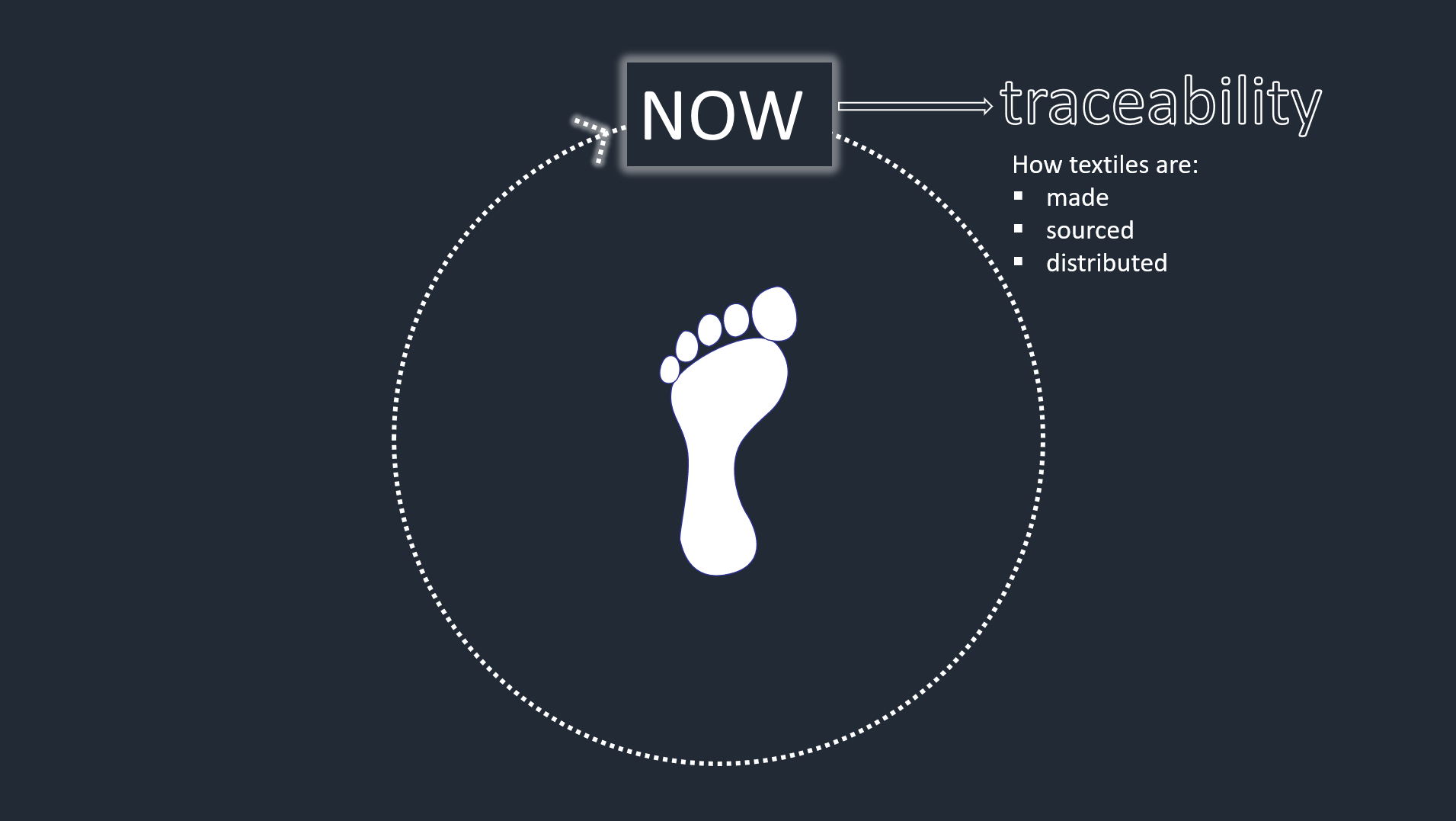
Raw Material / Yarn / Fabric / Garment / Findings
-
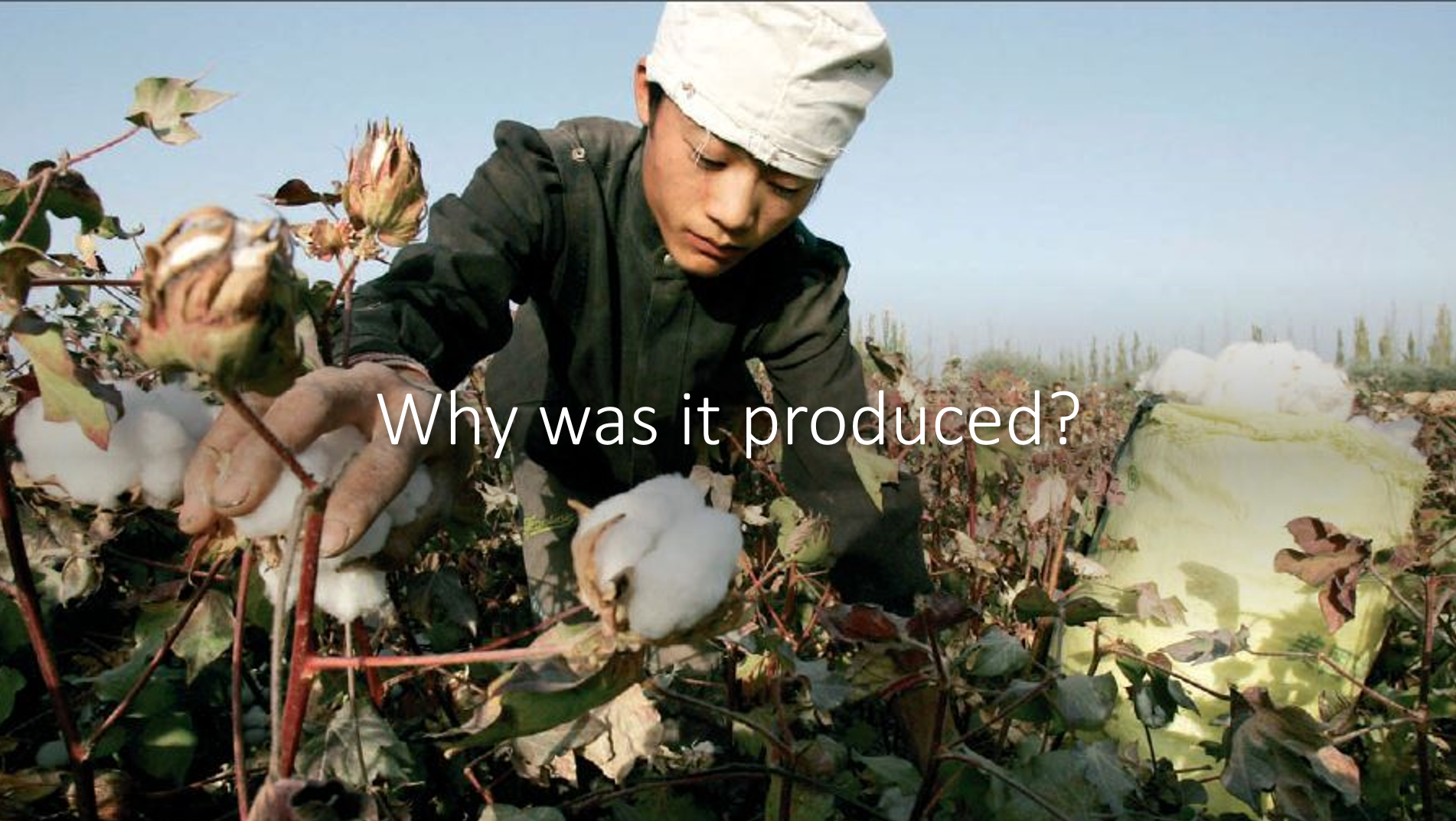
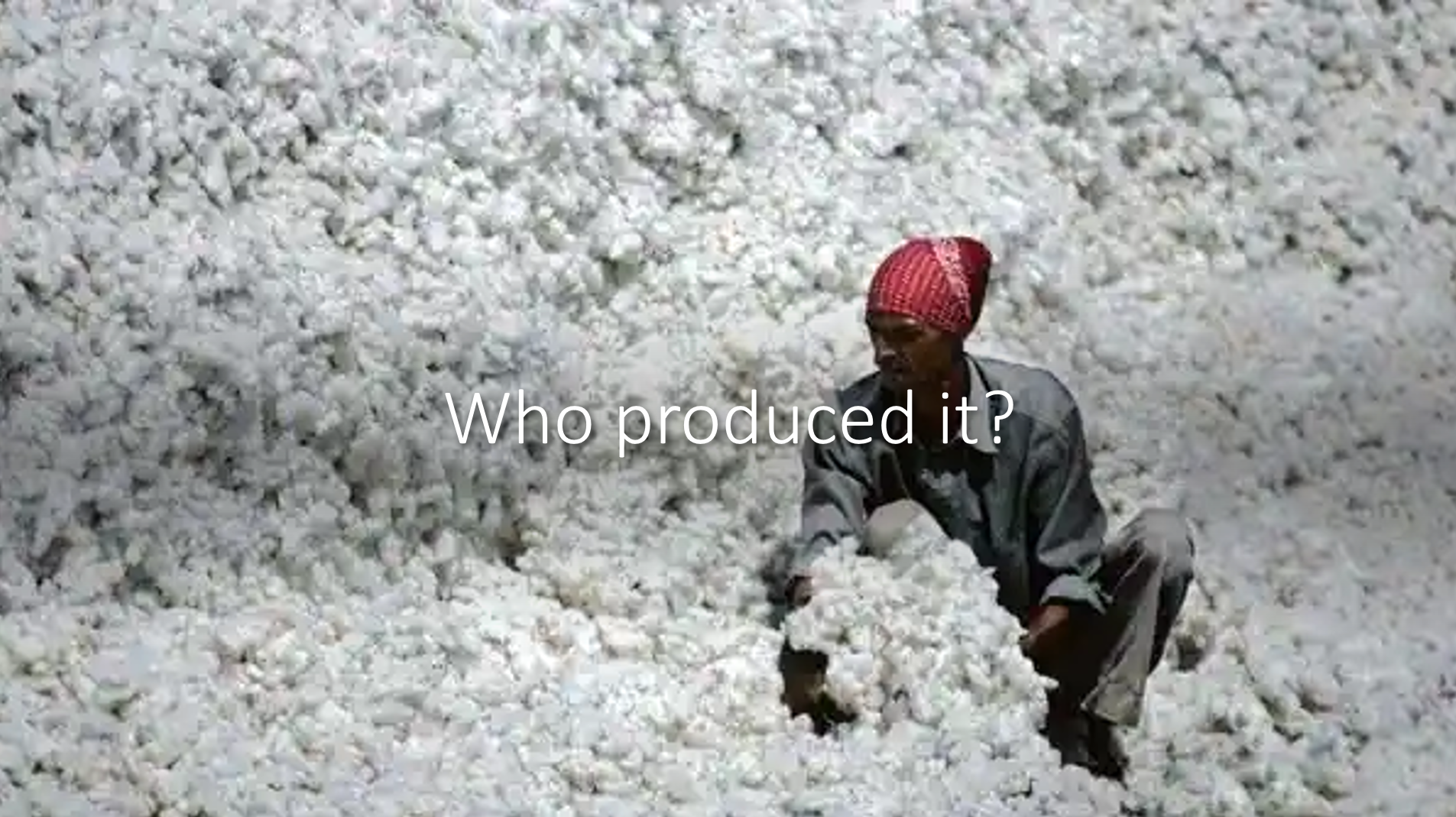
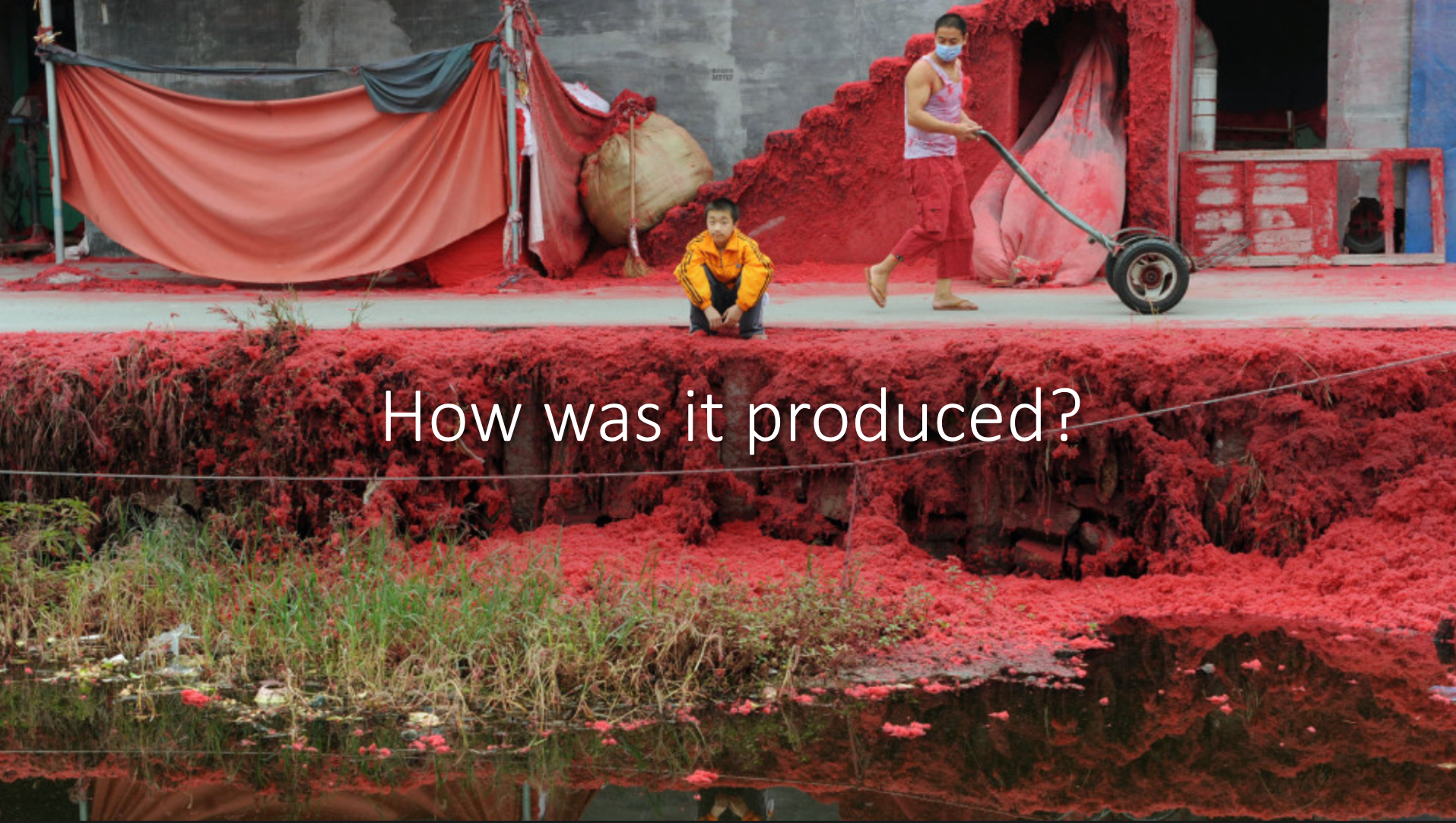
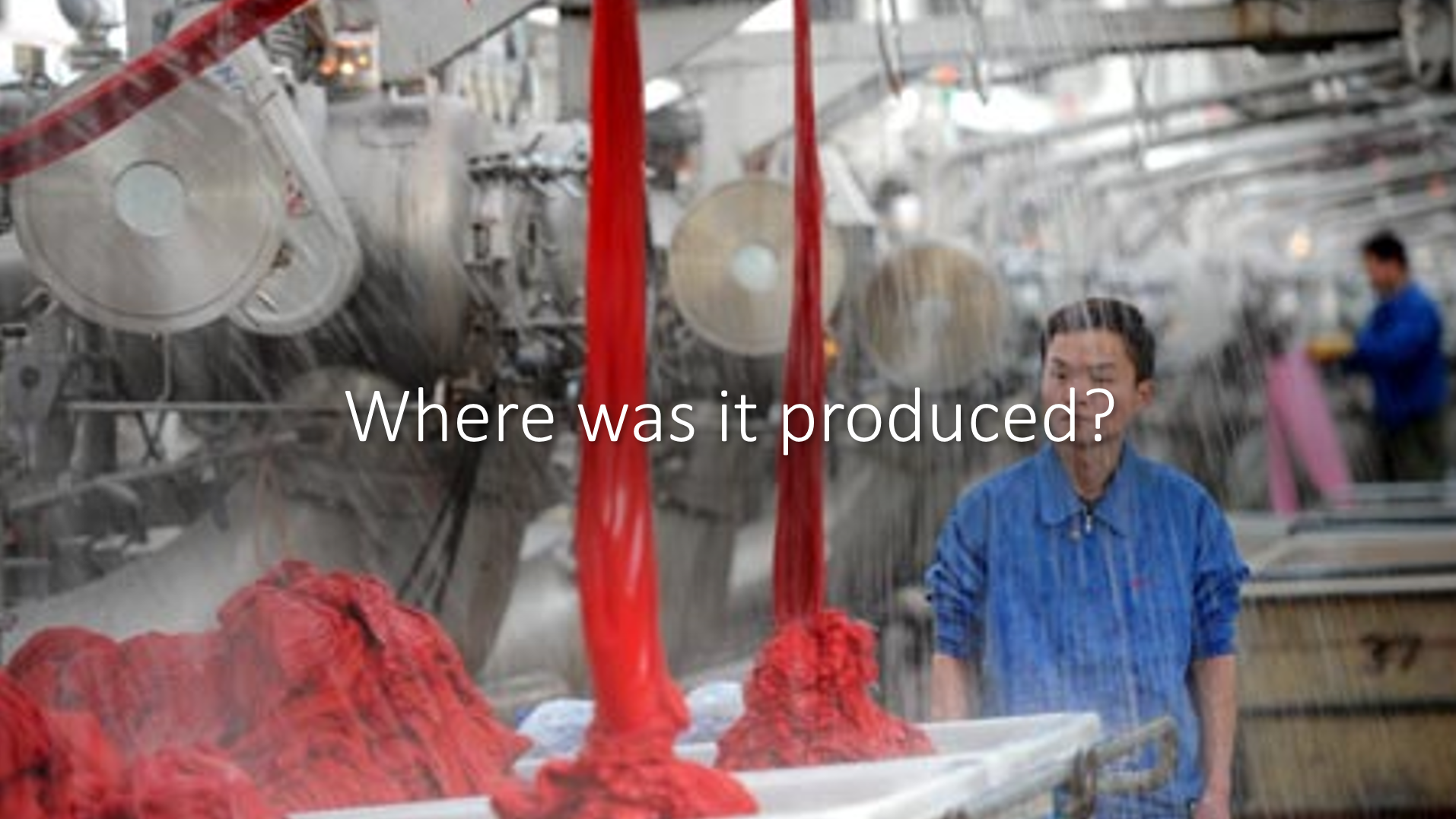
Addressing foundational queries is crucial in this segment of the label, answering:
Why was it made?
Who made it?
How was it made?
Where was it made?
Furnishing these details enriches the consumer's comprehension of the garment's societal and environmental context, fostering a more connected and responsible consumption culture.
-
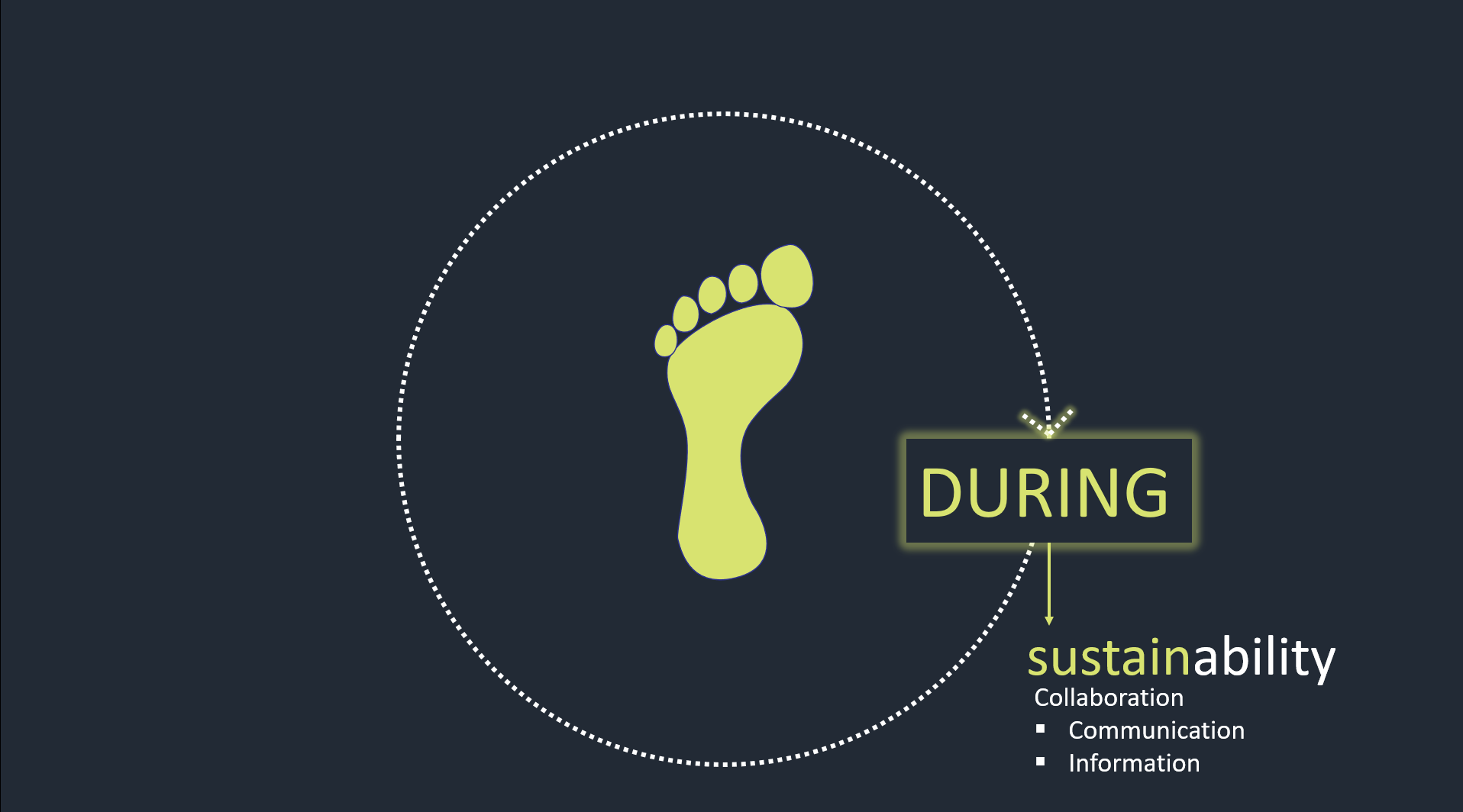
The "DURING" stage focuses on the sustainability of textiles, underscored by the crucial interplay among various actors. Emphasizing collaborative efforts, this stage addresses the challenge of textile waste, asserting that active engagement among consumers, governmental bodies, and creators is pivotal for systemic transformation.
Sustainability: A Tripartite Consideration
Consumers: This encompasses individuals who procure textile-made products, highlighting their role in the sustainability chain.
Three-tiered Governmental Approach: This involves municipal authorities managing textile waste collection, provincial bodies promoting recycling innovation, and federal agencies shaping policies that spur sustainable development, safeguard consumers, foster innovation, and ensure inclusivity.
Makers: This group includes the diverse range of creators—manufacturers, designers, innovators, and farmers—involved in textile production, spanning various socio-environmental and geopolitical realms.
Consumers / Government x 3 / Makers
-
Consumer Influence on Climate Solutions: The discussion starts with examining how consumers' textile selections can positively impact climate-related resolutions. It's highlighted that current consumption patterns in places like Ontario present obstacles to addressing textile waste, necessitating a shift towards choices that negate the acquisition of unneeded or unwearable items.
Advocacy for Environmentally-Conscious Materials: Fletcher (2014) provides a compelling context, noting that utilizing organic cotton can decrease environmental toxicity by 93%. This discussion extends to the detrimental environmental impacts of pesticide runoffs and excessive fertilizers, like nitrous oxide emissions, more harmful than CO2, and ecologically destructive phytoplankton blooms (Andsager 2019). Such insights necessitate consumer access to information linking their purchases to broader environmental consequences.
Information Access and Behavioral Change: Integrating Ariely's insights with Barsalou’s theory (2009) suggests that understanding an object can influence future related decisions, enhancing the speed and efficiency of categorization and recognition of subsequent scenarios. Applying this to textiles, particularly concerning the hazardous by-products of textile dyes and treatments, the discourse contemplates how evolving care and content labels could ignite discussions about the intricacies of textile production, including the confidential aspects of chemical processing. It further explores how consumer insights could drive technological advancements in recycling, thereby contributing to more environmentally responsible consumption and production patterns.




-
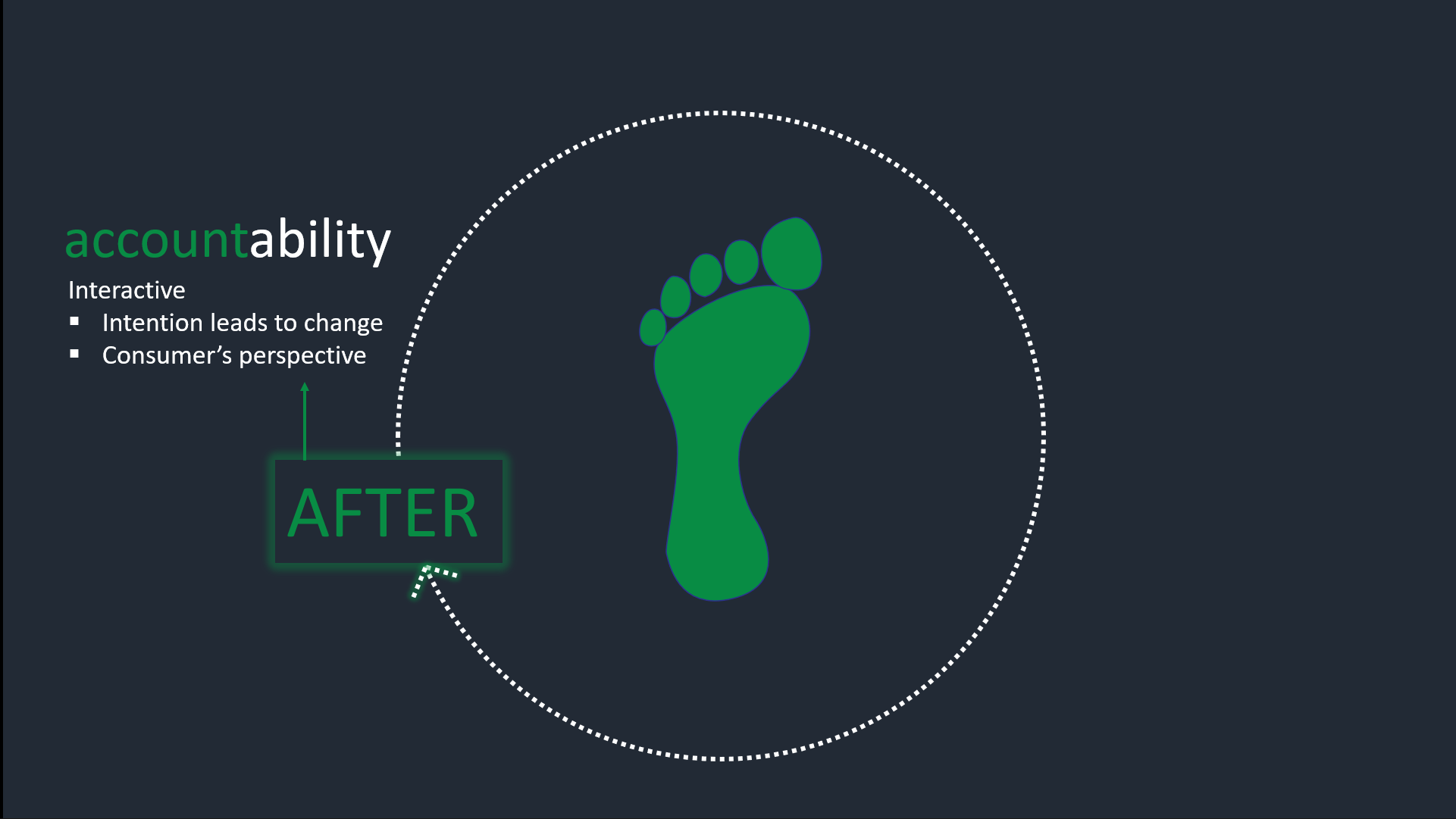
Focusing on accountability, the "AFTER" stage scrutinizes the crucial role of collaboration in progressing forward. Accessibility to pertinent information, employing multimedia for consumer education, and embracing the consumer's viewpoint on labeling are essential elements in linking the significance of a textile garment to broader sign systems.
Accountability: A Three-Pronged Approach
Accessibility: This component ensures consumers can readily access and engage with information critical to understanding a garment's social, environmental, and political implications.
Multimedia: Various platforms, such as scanning features on smartphones and educational websites, connect consumers to content, allowing them to delve deeper into areas aligning with their values.
Consumer's Context: This involves integrating data that consumers deem crucial, going beyond Canada's legal stipulations, and tying the textile industry to intricate social, environmental, and political issues.
Accessibility / Multi-media / Consumers’ context
-
Simplifying Complexity: Stakeholders must strategize to diminish cognitive overload without trivializing the details. The challenge lies in devising a label that accounts for:
The 40 different textile fibers, often used in varied combinations.
Numerous fabric constructions and yarn types.
A variety of dyeing processes and chemical treatments
The specific garment type and its style.
The consumer’s personal context.
Resulting in a unique label for each garment.
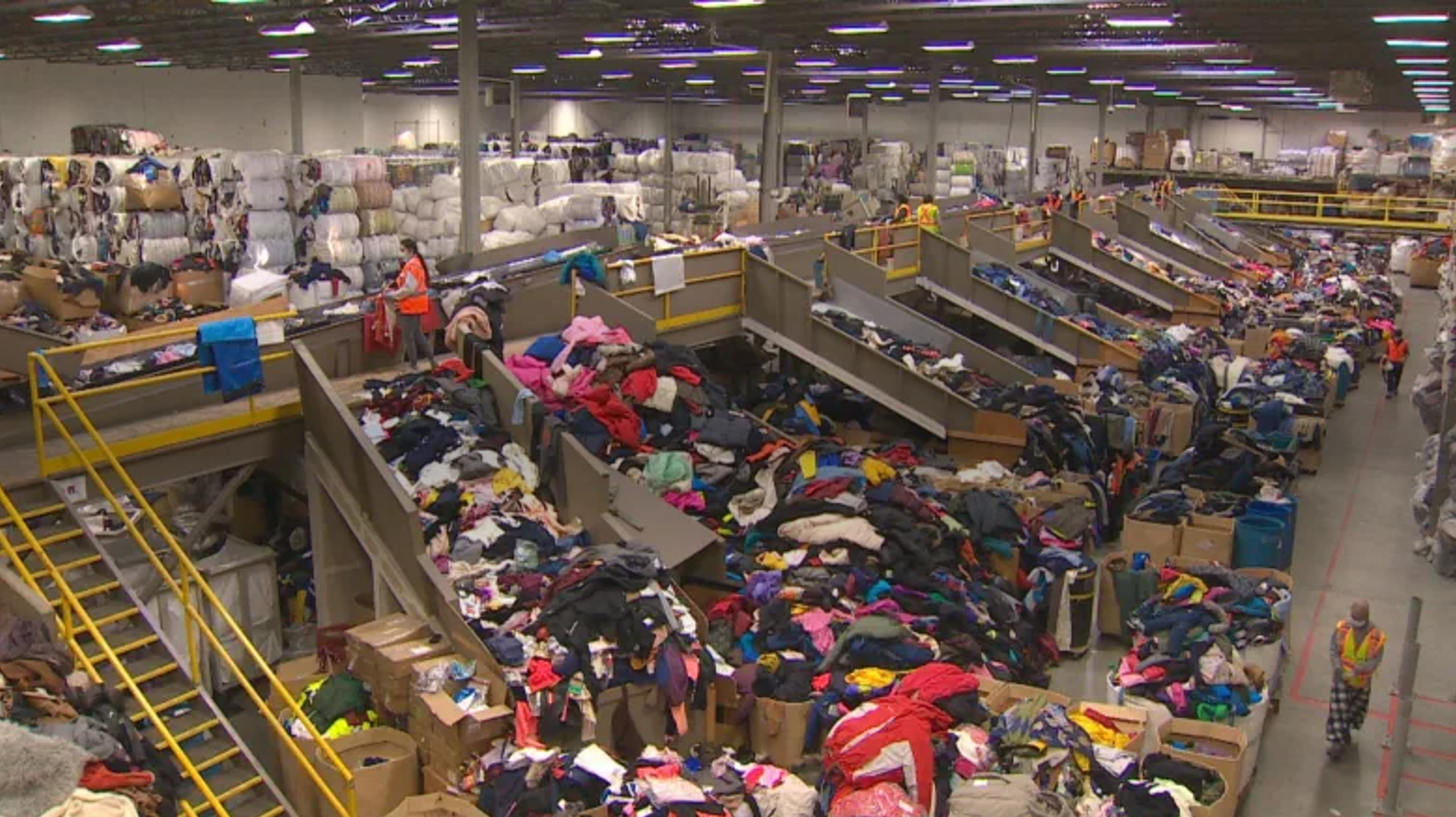
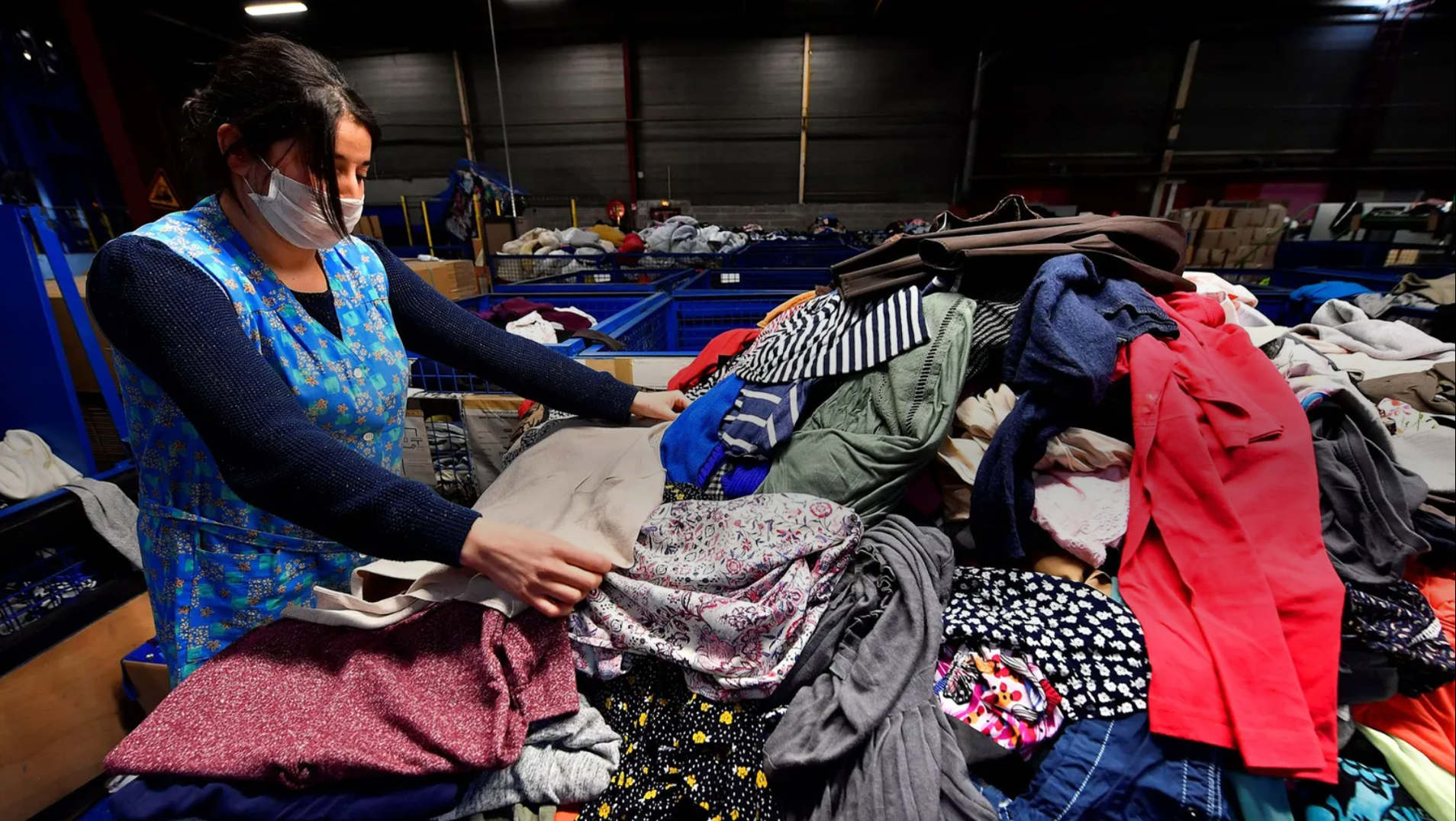
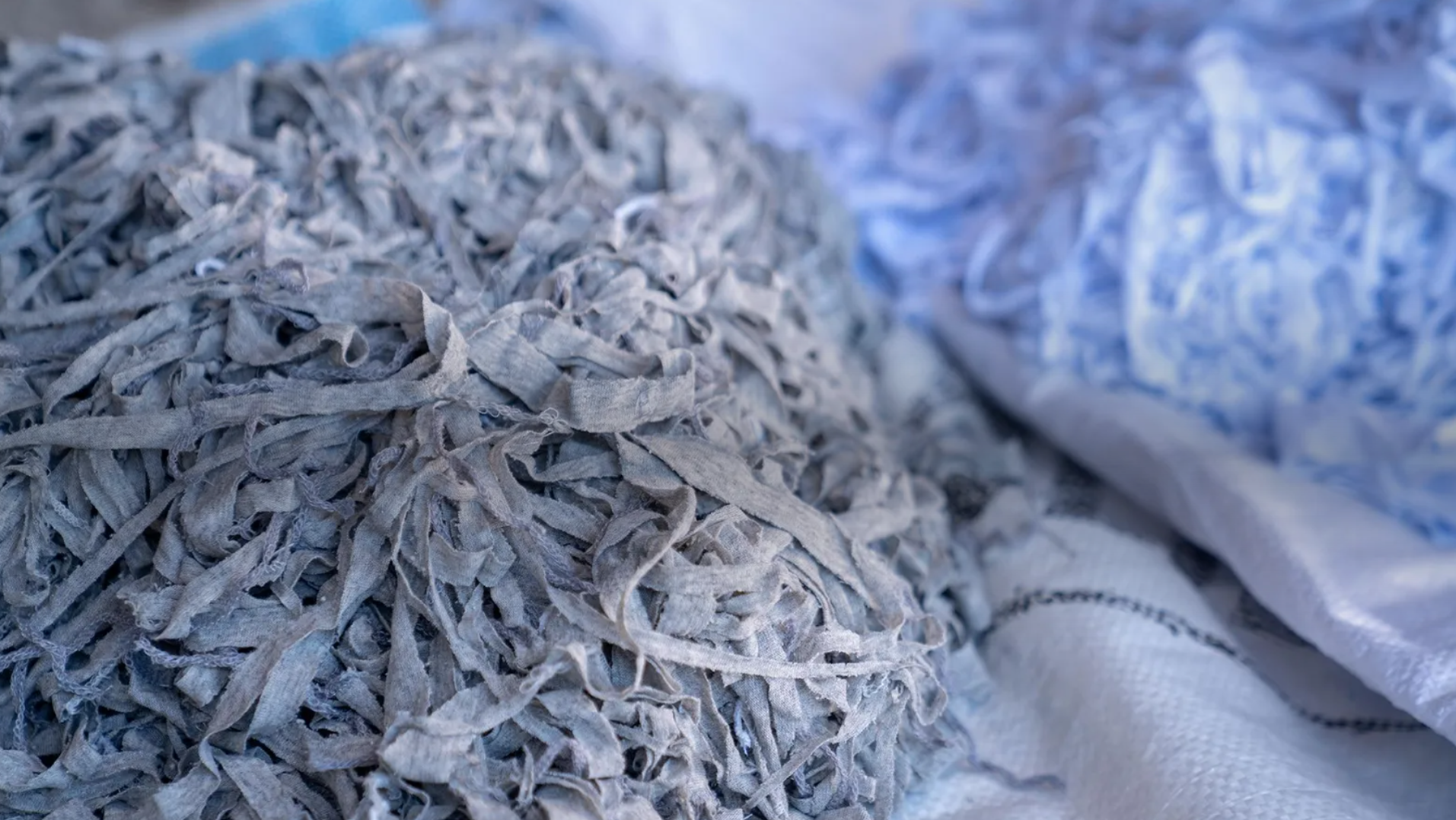
Advancing Recycling: To innovate in recycling, old textiles must be recognized as valuable resources. Currently, three primary recycling methods exist: sorting, mechanical, and chemical. In regions like Ontario, manual sorting prevails due to the absence of facilities equipped with advanced scanning, barcode systems, and capabilities to extract components like zippers or buttons from used textiles.
Rethinking Recycled Fibers: Consumers, designers, and brands need to recalibrate their perceptions of recycled fibers, acknowledging their limitations, such as shorter lengths and tendencies for defects like pilling (Fletcher 2014, pg. 42). Additionally, awareness of greenwashing strategies—direct, indirect, and vicarious—is vital to discerning genuine sustainable practices across the supply chain (Gatti et al. 2019). A case in point is labels on materials like 100% Rayon (or Viscose): while derived from plant-based sources, the production involves toxic processes. This superficially "green" option may mislead consumers at purchase, underscoring the need for comprehensive information to make environmentally sound decisions fitting their contexts.



Beynon-Davies – Semiotics Ladder: Harnessing Narrative Power
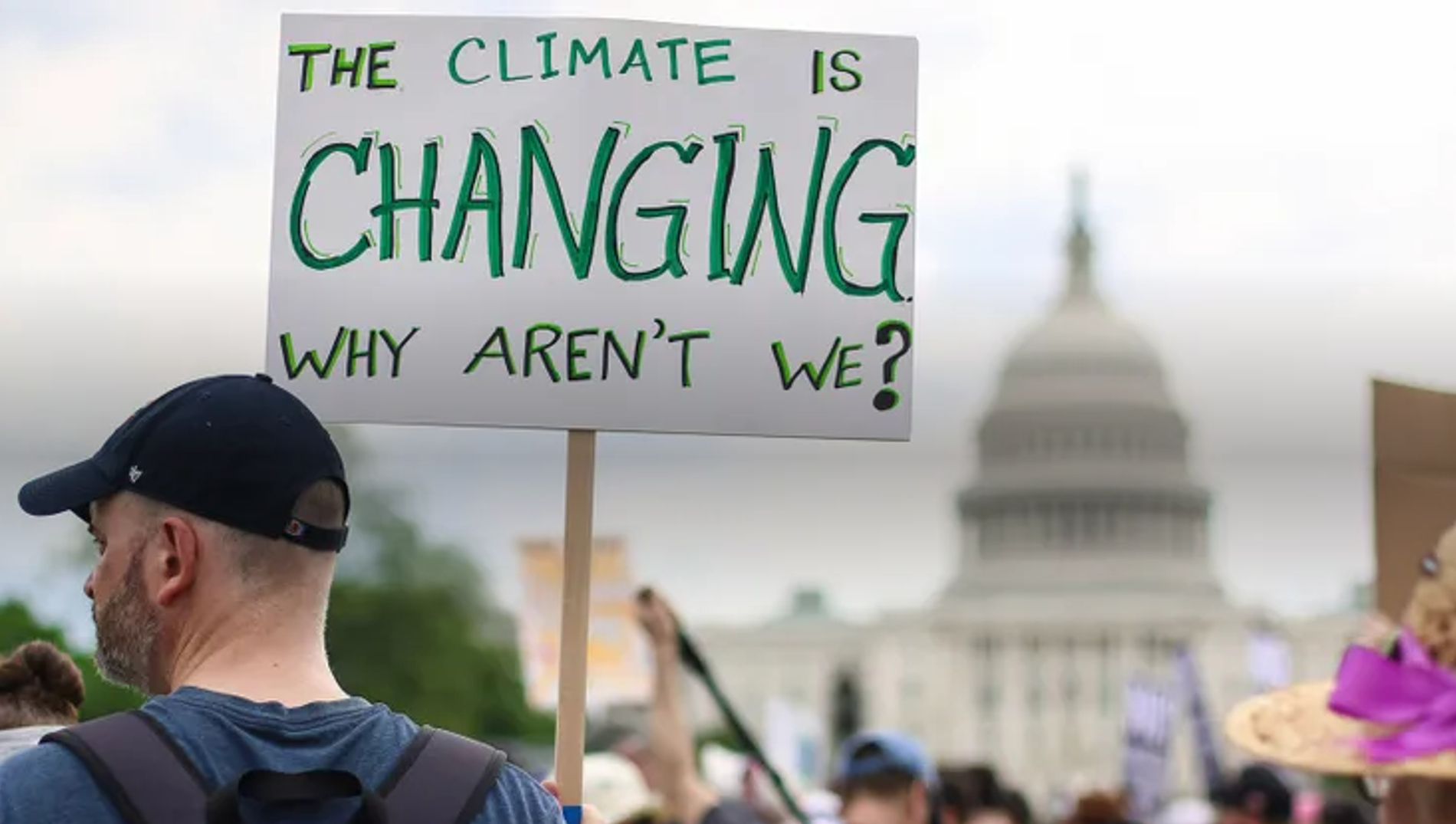
Canadian society acknowledges the pressing nature of climate issues, a concern mirrored in the Prime Minister's mandate letters to ministers, pressing for initiatives driving social, environmental, and political reforms. Through the lens of Beynon-Davies’ semiotic ladder, the proposed redesign of care and content labels transcends traditional formats, weaving connections among the societal realm, individual experiences, and broader sign systems. This transformative approach unfolds through the art of storytelling, bridging gaps and enhancing meaning, thereby fostering a more profound interaction and understanding of the garment's narrative within its larger context.
1 Social World: Understanding the Urgency
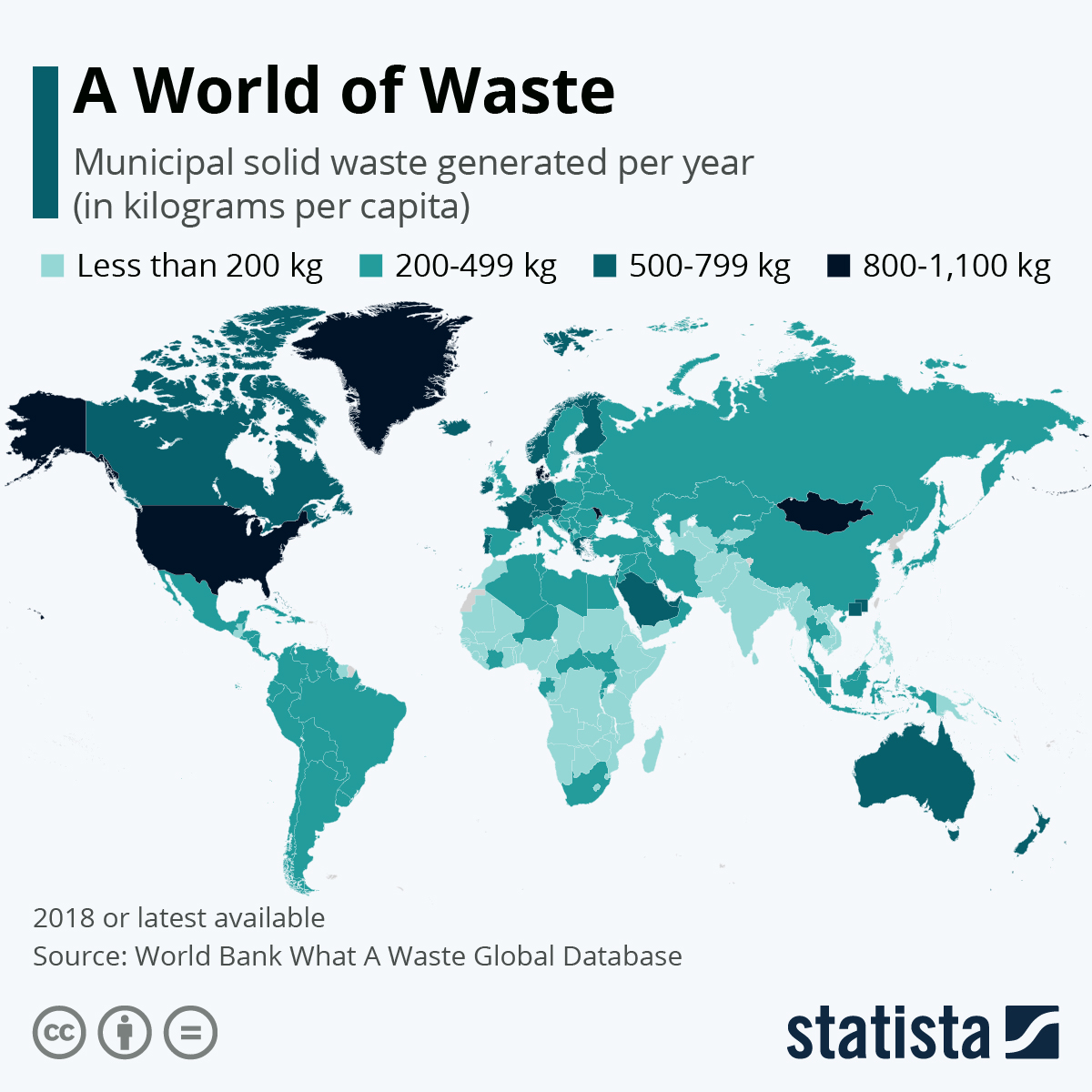
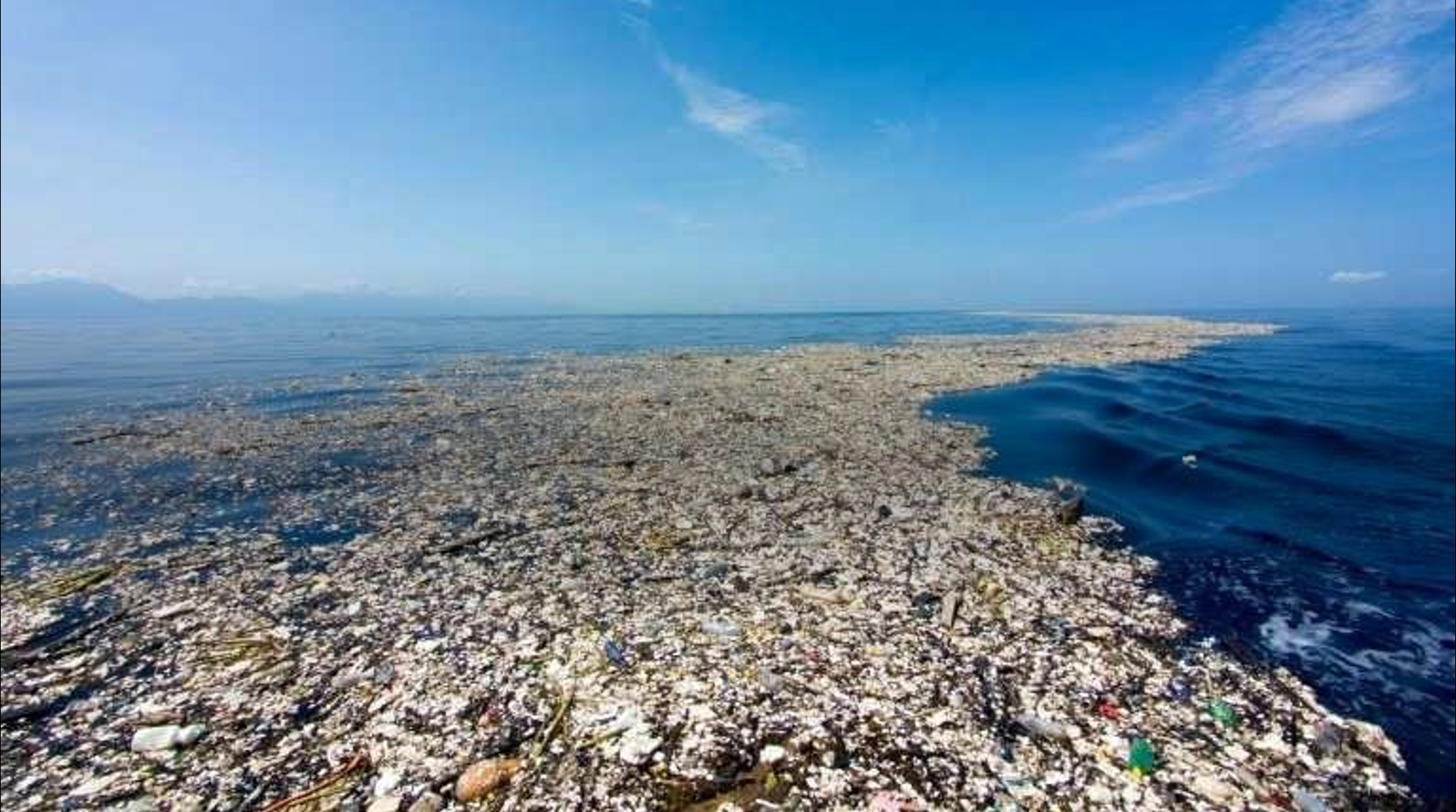
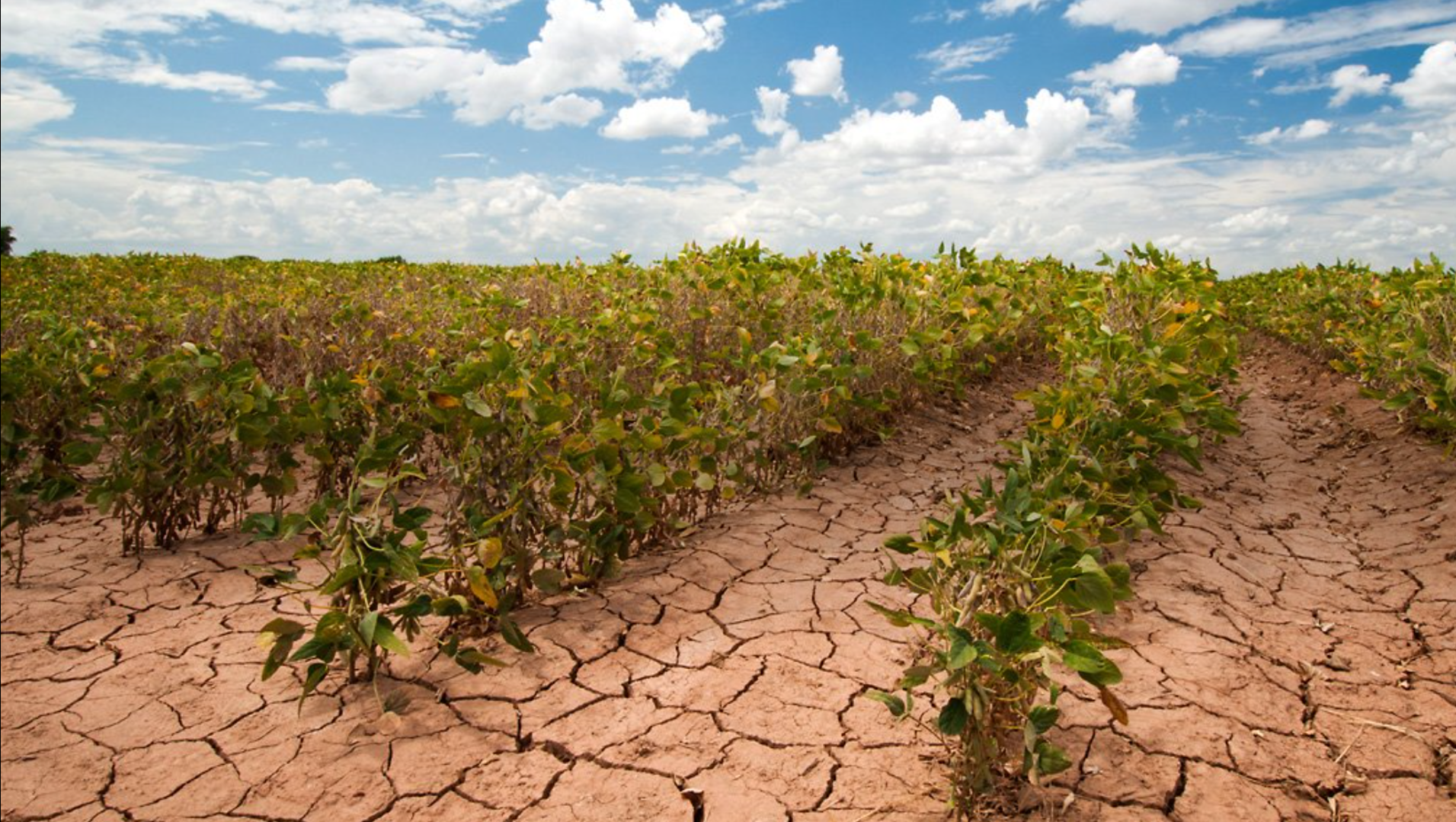
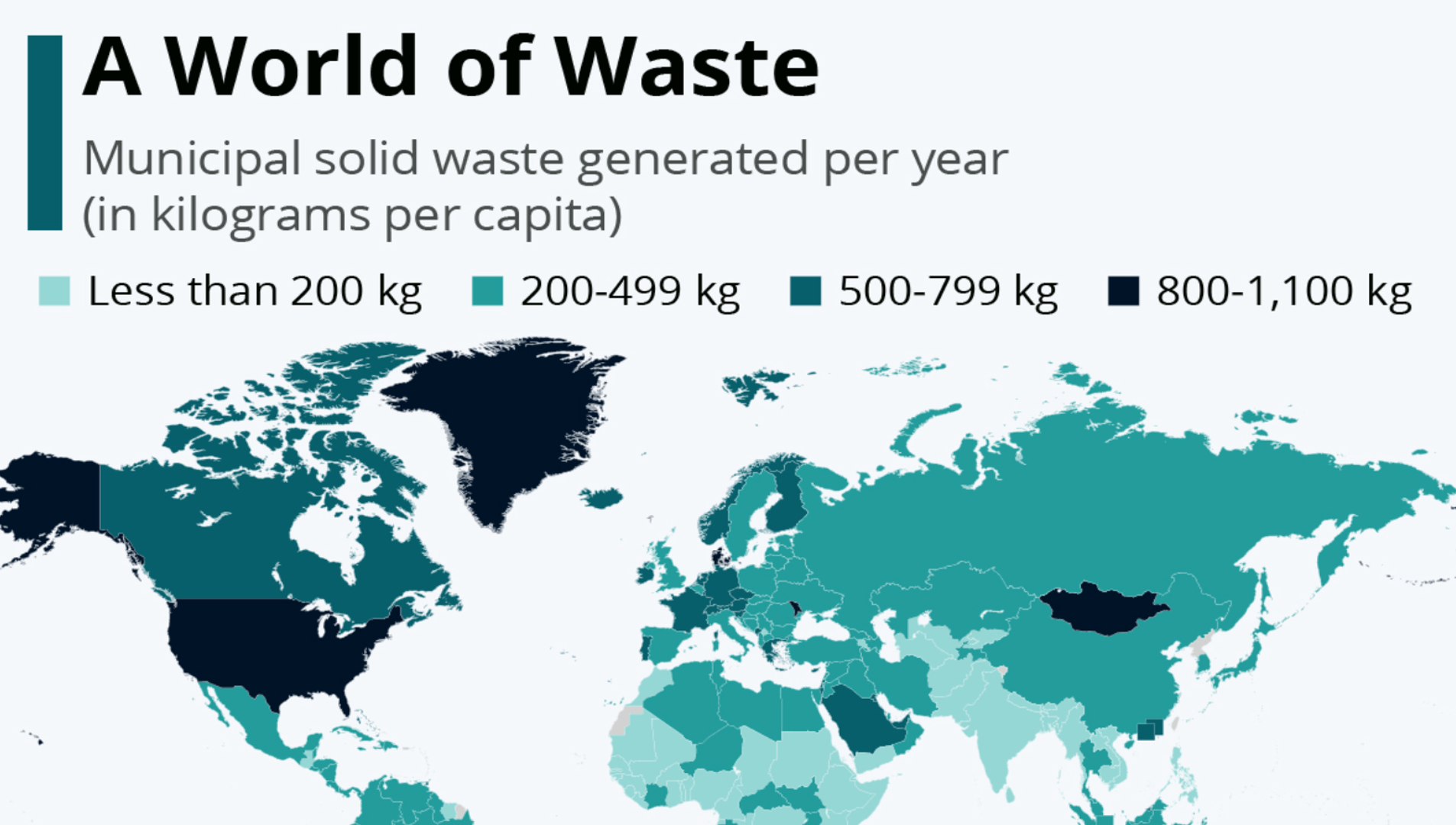
Within the social realm, we recognize the critical need to redirect plastics away from landfills. Canada's significant contribution to municipal solid waste is well-documented (Statista, 2018), with textiles emerging as the third-largest plastic contributor (FTA). Concurrently, we are aware of severe global famines causing unprecedented food and water shortages (World Food Programme, 2022). The extensive cultivation of cotton, covering 35 million hectares - roughly the size of Germany (Beckert 2014, pg. 341) - significantly strains resources, consuming over 95 billion tons of fresh water (Fletcher 2014, pg. 10) and absorbing 75-90% of local water supplies (The World Counts 2022). How do we then bridge our collective consciousness regarding these social challenges with our textile consumption patterns and intentions?

The Case of a
T-shirt
Pragmatics/intentions. Intentionality in Action.

Our pathway from action to intention hinges on collaborative knowledge. Essential to progress in traceability, sustainability, and accountability are the cooperation and dialogue among all participants.
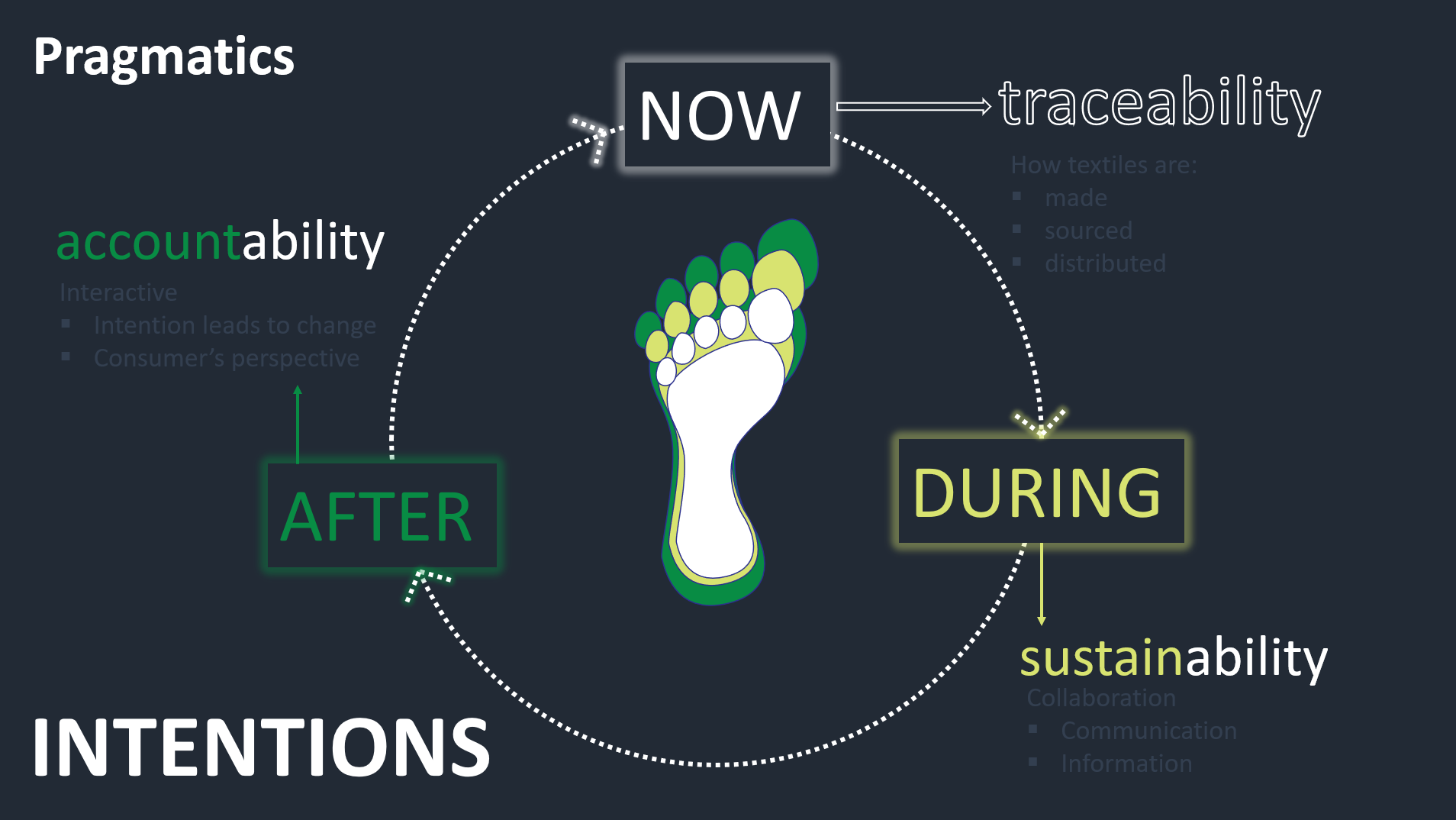
Utilizing Davies' Pragmatics within the semiotic ladder, the reimagined care and content labels serve as catalysts for engaging all parties, from production to consumption, throughout a garment's life cycle.
'Now' (Traceability): Our actions, informed by the awareness of individual textile choices' impacts, shape our intentions, enabling consumers to comprehend their environmental consequences.
'During' (Sustainability): Participation in these discussions extends into the 'After' phase (Accountability).
'After' (Accountability): Feedback and engagement at the life cycle's conclusion loop back to incite involvement at its inception.
Semantics/Meaning. Bridging Worlds through User Engagement

By integrating the label with contemporary technology, the strategy exploits present bias, incentivizing label interaction to immediately impart knowledge, linking back to the user's personal sphere. This enhanced information access instills urgency, propelling individuals toward sustainable objectives.
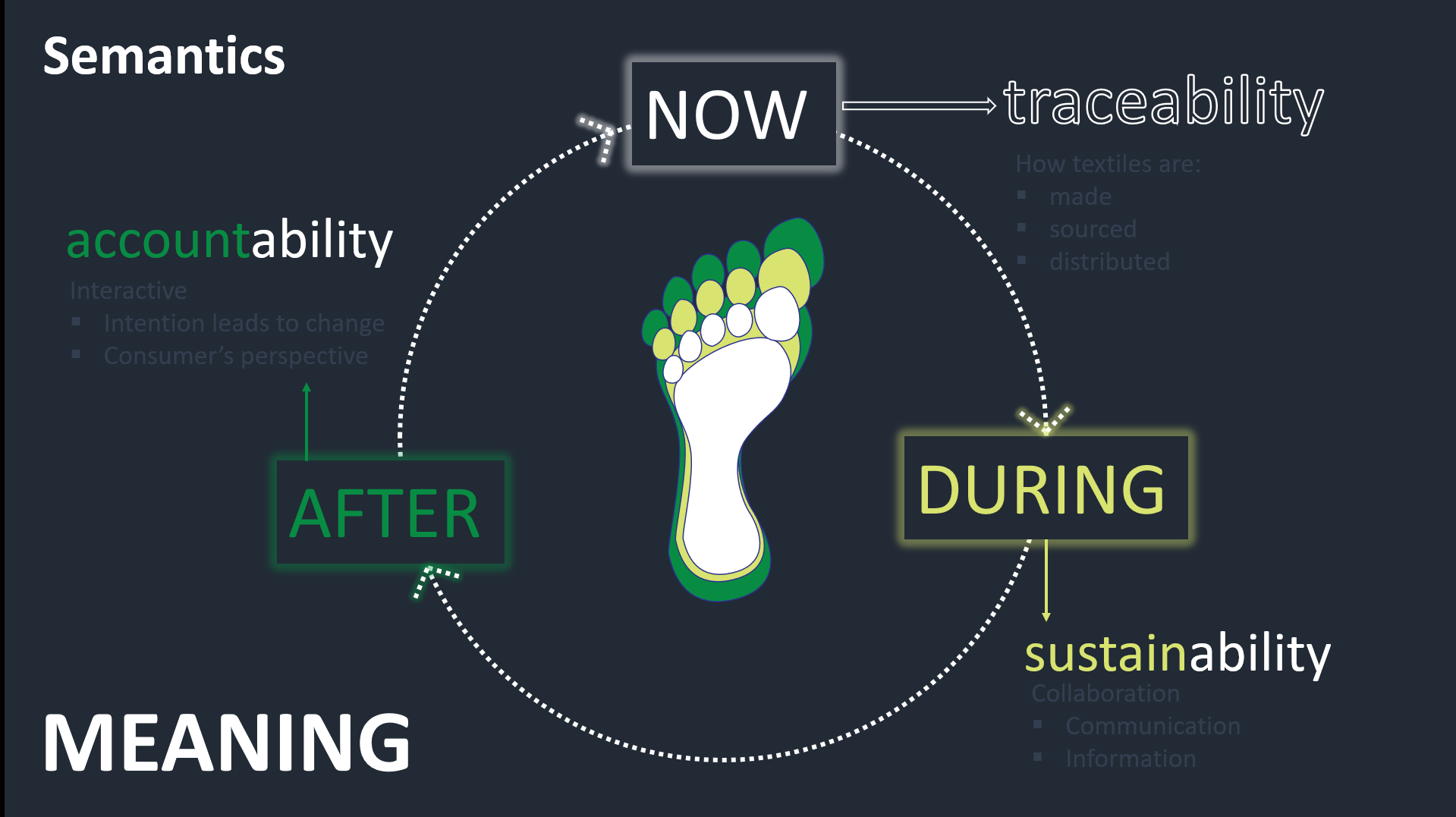
Within Davies' semiotic framework, the semantics weave the new label concept through the dualities of: consumption/reduction, pollution/restoration, and production/recycling, offering consumers a comprehensive garment impact overview.
Syntactics/Structure. Logic in Connectivity: Linking Signs

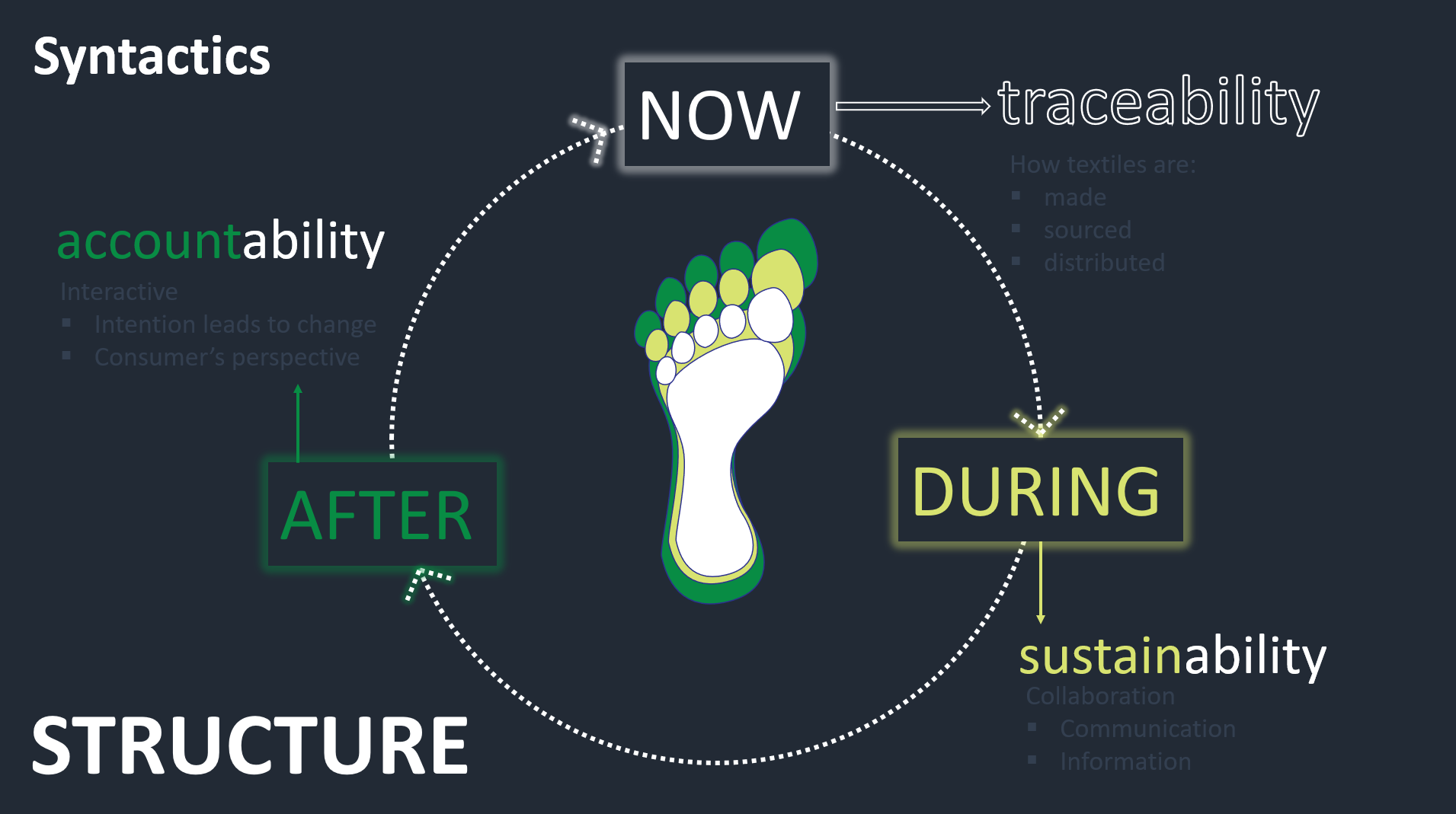
Employing syntactics from Davies' semiotic ladder, the new label design interconnects with broader sign systems, facilitating entry into the sign's structure through various content forms (Beynon-Davies 2011, pg. 11):
'Now' (Traceability) encompasses diverse signs ranging from content labeling to global considerations like transportation and chemistry.
'During' (Sustainability) ties into elements from customs to resource management.
'After' (Accountability) reflects societal constructs and perceptions, extending to environmental respect and corporate influence.
Empirics/Form. Storytelling: Unifying Contexts

Storytelling emerges as the pivotal element, harmonizing the perspectives of makers, producers, and users into a cohesive dialogue.
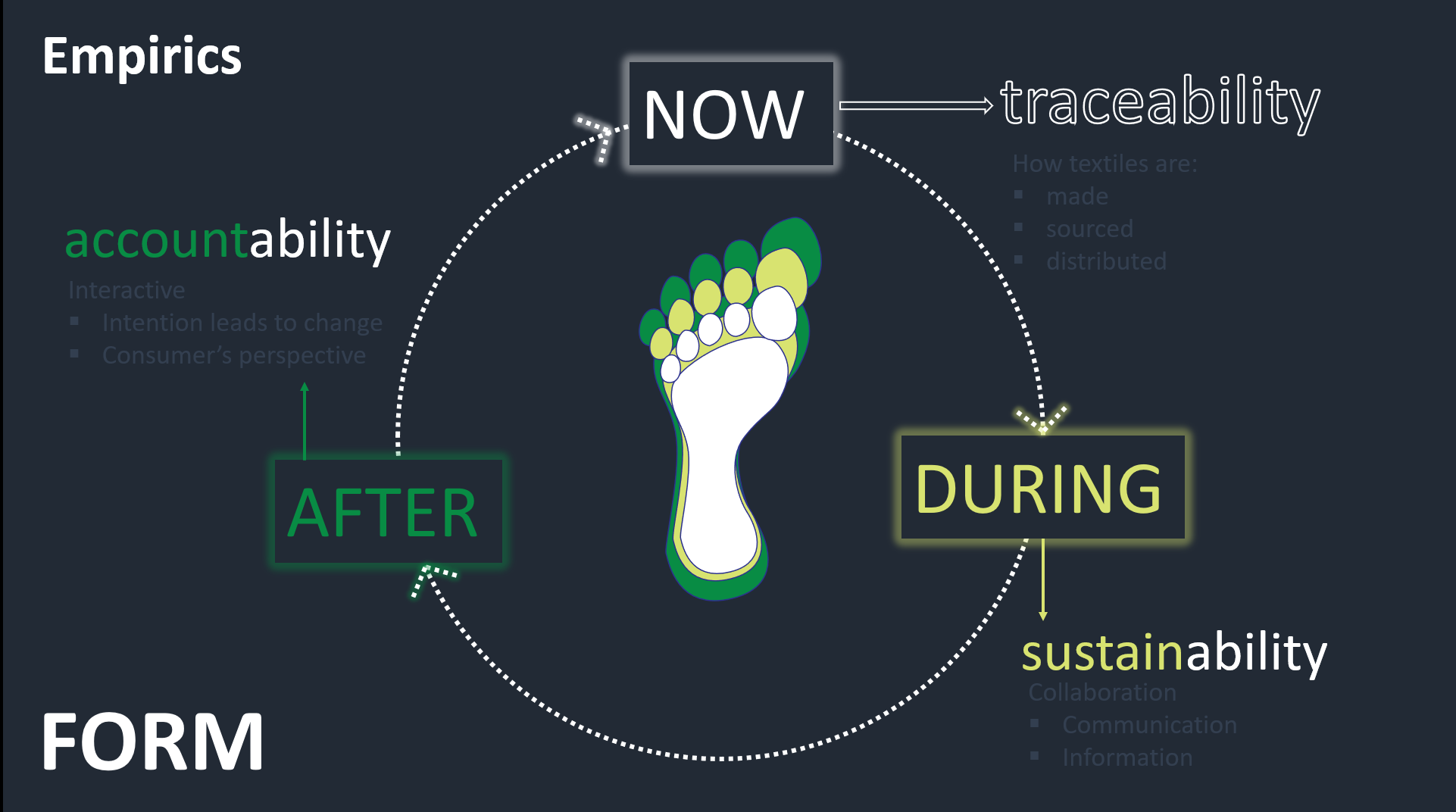
Davies' empirics underscore the proposal to tether new care and content labels to storytelling, with the prototype melding traceability, sustainability, and accountability into an unfolding narrative:
Detailing the garment’s composition and probable origins, noting socio-environmental implications (Dutta 2012).
Outlining manufacturing processes, emphasizing product resilience.
Illuminating socio-cultural phenomena within production environments (Adams 2018).
This approach reinforces that 'old' is not synonymous with 'irrelevant,' positing care and content labeling as an ever-evolving narrative sans conclusion.

Threads of Truth: Unraveling the Social and Environmental Tapestries of a Cotton Garment's Journey
This narrative follows the journey of a garment made from 100% cotton, emphasizing the social and environmental contexts embedded within its production process.

Crafted entirely from cotton, this garment's journey begins with its raw material, the origins of which remain uncertain. However, circumstantial evidence, including the garment's production year (2014) and its country of origin, suggests that the cotton likely originated from India.
It's crucial to note the harrowing backdrop against which this cotton was potentially cultivated. Between 2005 and 2012, catastrophic failures in cotton crop yields and insurmountable debts led to a tragedy: thousands of Indian farmers, ensnared in desperation, committed suicide by consuming their pesticides, a grim practice persisting even today (Dutta 2012).

Following the cotton's initial phase, the raw fibers were spun into yarn, taking on a new form ready for the next stage of its journey in Cambodia. Here, skilled hands transformed the yarn into French terry twill. The choice of twill, renowned for its resilience, grants the fabric an inherent resistance to abrasion, an essential characteristic considering the rigors of 'wear and tear' that clothing typically undergoes.

Continuing its transformation, the garment saw the crafting of its neck, sleeve openings, and hem from a 100% cotton full needle rib. This specific technique was employed for its excellent shape retention properties, ensuring the garment's durability and longevity. Intriguingly, these processes all occurred within the same Cambodian facility, suggesting a centralized production model.
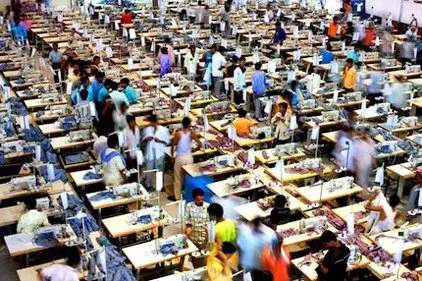
Before its completion, the garment underwent dyeing, handled by large, specialized dye houses. The vibrant hues then journeyed alongside the fabric to a Cambodian garment manufacturer, moving one step closer to reaching future wearers.

Yet, the production story is far from idyllic. Within these Cambodian factories, a disturbing trend, known as the Neak Ta phenomenon, unfolds. Workers, in a mass fainting episode linked to spiritual cultural beliefs, express a form of silent rebellion.
This collective unconsciousness emerges in response to the harsh realities of a work environment resistant to unionism, where peaceful protests might escalate into violence (Adams 2018).
Through these stages, from the fields of uncertain origin to the manufacturing halls in Cambodia, the garment weaves a story far more complex than its simple cotton threads would suggest. Each stage embodies both the dedication to craftsmanship and a series of social implications that linger within the fabric's folds.
-
Many solutions to the textile waste issue in Canada
Exploring the intricate facets of traceability, sustainability, and accountability within the textile realm necessitates a deep dive into the three intertwined stages:
NOW,
DURING, and
AFTER.
These stages illuminate the profound social, environmental, and political entanglements characteristic of the textile industry. Clear-cut solutions are elusive in this complex tapestry, underscoring the need for robust investments in experimentation and innovation. Such forward-thinking endeavors are pivotal in evaluating whether revamped care and content labelling can indeed catalyze the intended shift in consumer behavior, steering it through the powerful conduit of shared knowledge.
Future areas of research
Labels, integral to the textile waste conundrum, beckon further scrutiny. Subsequent research could delve into the technical nuances of intertwining the storytelling embedded in the proposed new care and content labels with technologies applicable in sorting, mechanical recycling, and chemical recycling facilities. For instance, exploring the incorporation of RFID tags or barcode systems could provide pivotal insights.
-
Resource Recovery and Circular Economy Act, 2016, SO 2016, c 12, Sch 1. Retrieved from https://canlii.ca/t/556m9
Summary of Circular Economy Procurement Stakeholder Engagement (GM28.29 Attachment 3, Issue. https://www.toronto.ca/legdocs/mmis/2018/gm/bgrd/backgroundfile-115672.pdf
Survey of Circular Economy Procurement in Other Jurisdictions. (GM28.29 Attachment 2, Issue. https://www.toronto.ca/legdocs/mmis/2018/gm/bgrd/backgroundfile-115691.pdf
Circular Economy Procurement Implementation Plan & Framework. (June 5, 2018). https://www.toronto.ca/legdocs/mmis/2018/gm/bgrd/backgroundfile-116064.pdf
(FTA), F. T. A. (2021). A Feasibility Study of Textile Recycling in Canada. Commissioned by Environment and Climate Change Canada. https://fashiontakesaction.com/wp-content/uploads/2021/06/FTA-A-Feasibility-Study-of-Textile- Recycling-in-Canada-EN-June-17-2021.pdf
Adams, C. (March 2018). Guardian: Made in Cambodia: Experimental textile design responding to Cambodian factory conditions, unionism and the phenomenon of Neak Ta possession [August 14, 2022]. Clothing Cultures, 5(1). https://go-gale-com.ocadu.idm.oclc.org/ps/i.do?p=AONE&u=toro37158&id=GALE%7CA551424187&v=2.1&it=r
Andsager, J. (2019, June 1, 2019). Why Cotton is called the World's Dirtiest Crop. WHY COTTON IS CALLED THE WORLD'S DIRTIEST CROP. https://www.moderndane.com/blogs/the-modern-dane-blog/why-cotton-is-called-the-worlds-dirtiest-crop
Arbaugh, J. E. (1974). Profiling the Textile/Apparel Consumer: A Study of the Usage of Care Label Information [Dissertation, Ohio State University]. Ohio, USA. http://rave.ohiolink.edu/etdc/view?acc_num=osu1486979835071495
Ariely, D. (2000). Controlling the Information Flow: Effects on Consumers’ Decision Making and Preferences. Journal of Consumer Research, 77, 233-248. https://doi.org/10.1086/314322
Bailey, J., Kimbell, L., Kaszynska, P., Massarella, F., Todd, J., Nold, C. (2021). Design Economy 2021 Scoping Project Environmental and Social Value of Design. https://ualresearchonline.arts.ac.uk/id/eprint/17159/1/Design_Economy_2021_Papers_Paper_1.pdf
Barsalou, L. (2009). Simulation, situated conceptualization, and prediction. The Royal Society, 1281-1289. https://doi.org/10.1098/rstb.2008.0319
Beckert, S. (2014). Empire of Cotton A Global History (1st ed.). Alfred A. Knopf.
Beynon-Davies, P. (2011). Chapter 1 Signs: Units of Significance. In B. Houndmills, Hampshire ; New York : Palgrave Macmillan (Ed.), Significance : exploring the Nature of Information, Systems and Technology.
Bosman, M., Ellis, S., van der Colff, N., van der Merwe, D. (2013). Consumer’s knowledge of textile label information: an exploratory investigation. International Journal of Consumer Studies 38, 18-24. https://doi.org/10.1111/ijcs.12053
Braich, B. (February 28, 2022). Textile waste is a growing problem — and Canada still isn't doing enough to solve it, experts say. CBC News. https://www.cbc.ca/news/canada/british-columbia/textile-waste-recycling-bc-canada-1.6357584
Camcode. What are RFID Tags? https://www.camcode.com/blog/what-are-rfid-tags/
Canada, G. o. (2000). Guide to the Textile Labelling and Advertising Regulations. September 2000 Retrieved from https://www.competitionbureau.gc.ca/eic/site/cb-bc.nsf/eng/01249.html
Canada, G. o. (2022). Textile Labelling Requirements. Retrieved from https://www.competitionbureau.gc.ca/eic/site/cb-bc.nsf/eng/h_02940.html
Chenoweth, L. (2018). Advancing Textile Waste Diversion in Nova Scotia. http://laurachenoweth.com/advancing-textile-waste-diversion-nova-scotia/
Counts, T. W. (2022). The Global Water Footprint: The consumer society is powered by water. Retrieved August 13, 2022 from https://www.theworldcounts.com/challenges/planet-earth/freshwater/global-water-footprint
Dickson, M. A. (2001). Utility of No Sweat Labels for Apparel Consumers: Profiling Label Users and Predicting Their Purchases. The Journal of Consumer Affairs, 35(1 (Summer 2001)), 24. https://www.jstor.org/stable/23860073
Dr. Briony Fane, D. J. W. (April 20, 2022). When economy meets environment: Sustainable development and the case of wastewater pollution in textile manufacturing. https://www.digital-science.com/blog/2022/04/sdgs-wastewater-pollution-in-textile-manufacturing/
Dutta, S. (2012). Green Revolution Revisited: The Contemporary Agrarian Situation in Punjab, India Social Change, 42(2), 229-247. https://doi.org/10.1177/004908571204200205
Feltham, T., Martin, L. (2006). Apparel Care Labels: Understanding Consumers’ Use of Information. Marketing, 27(3), 231-244. https://papers.ssrn.com/sol3/papers.cfm?abstract_id=1809865
Fletcher, K. (2014). Sustainable Fashion and Textiles Design Journeys (2nd ed.). Routledge.
Gal, S., Irvine, J. T. . (2019). Signs of Difference Language and Ideology in Social Life. Cambridge University Printing House.
General Manager, S. W. M. S., and Treasurer. (May 23, 2018). Implementation Plan and Framework for Integrating Circular Economy Approaches into City Procurement Processes to Support Waste Reduction and Diversion (GM28.29 Report For Action, Issue. https://www.toronto.ca/legdocs/mmis/2018/gm/bgrd/backgroundfile-115513.pdf
Gray, Z. (2019, March 09, 2019). Dressing the Problem: Textiles Waste in Canada. Advanced Waste Solutions. https://advancedwastesolutions.ca/2019/03/09/dressing-the-problem-textile-waste-in-canada/#:~:text=The%20Current%20Situation,such%20as%20shoes%20and%20towels
Hyllegard, K. H., Lee, K.H., Ogle, J. P., Yan, R.N. (2012). Socially Responsible Labeling: The Impact of Hang Tags on Consumers’ Attitudes and Patronage Intentions Toward an Apparel Brand. Clothing and Textiles Research Journal, 30(1), 51-66. https://doi.org/10.1177/0887302X11433500
Klepp, I. G., Laitala, K. . (2013). Environmental and Ethical Perceptions Related to Clothing Labels Among Norwegian Consumers. Research Journal of Textile and Apparel. https://doi.org/10.1108/RJTA-17-01-2013-B005
Kourounis, G.). The Dried up Aral Sea Eco-Disaster. https://youtu.be/oNDjL_q7kHU
Marta, P., Lucia Gatti, and Peter Seele. (2021). Firms Talk, Suppliers Walk: Analyzing the Locus of Greenwashing in the Blame Game and Introducing ‘Vicarious Greenwashing'. Journal of Business Ethics, 170, 21-38. https://doi.org/https://doi.org/10.1007/s10551-019-04406-2
Mazzarella, F. (2019). Crafting Situated Services: Meaningful Design for Social Innovation With Textile Artisan Communities https://hdl.handle.net/2134/33528
Mazzarella, F., Escobar-Tello, C., & Mitchell, V. (2015). Service ecosystem: Empowering textile artisans’ communities towards a sustainable future. https://doi.org/10.21606/nordes.2015.057
Mishra, R. D. (May 18, 2022). Govt may ban cotton exports until September as last resort. mint. Retrieved August 14, 2022 from https://www.livemint.com/news/india/govt-may-ban-cotton-exports-until-september-as-last-resort-11652814831143.html
Month, C. E. Textiles Waste : The Facts. https://wrwcanada.com/en/get-involved/resources/textiles-themed-resources/textiles-waste-facts
Municipalities, F. o. C. (2022). Pilot program proves textile recycling within reach for Canada's municipalities. Federation of Canadian Municipalities. Retrieved July 17,2022 from https://fcm.ca/en/programs/green-municipal-fund/compendium/compendium-case-studies/pilot-program-proves-textile-recycling-within-reach#:~:text=Pilot%20program%20proves%20textile%20recycling%20within%20reach%20for%20Canada's%20municipalities,-DURATION%20OF%20PROJECT&text=Thanks%20to%20the%20pioneering%20spirit,of%20textiles%20out%20of%20landfill.
OEcotextiles. (2011). Estimating the carbon footprint of a fabric. https://oecotextiles.blog/2011/01/19/estimating-the-carbon-footprint-of-a-fabric/
Partida, J. P. O. (2019, September 9, 2019). The World Is in a Water Crisis and Climate Change is Making it Worse. The Equation. https://blog.ucsusa.org/pablo-ortiz/the-world-is-in-a-water-crisis-and-climate-change-is-making-it-worse/
Programme, W. F. (June 6, 2022). FAO and WFP warn of looming widespread food crisis as hunger threatens stability in dozens of countries. https://www.wfp.org/news/fao-and-wfp-warn-looming-widespread-food-crisis-hunger-threatens-stability-dozens-countries
Sanders, E. B. N., Stappers, P.J. (2020). Convivial Toolbox Generative Research For the Front End of Design.
Snowden, S. (2019, May 30, 2019). 300-Mile Swim Through The Great Pacific Garbage Patch Will Collect Data On Plastic Pollution. Forbes. https://www.forbes.com/sites/scottsnowden/2019/05/30/300-mile-swim-through-the-great-pacific-garbage-patch-will-collect-data-on-plastic-pollution/?sh=2bec7886489f
Stanovich, K. E. (2013). How to Think Straight About Psychology (10th ed.). Pearson Education Inc.
statista. (2018). A World of Waste. Retrieved from:
https://cdn.statcdn.com/Infographic/images/normal/18732.jpeg
Toronto, C. o. Transform TO: Climate Action for a Healthy, Equitable & Prosperous Toronto. Retrieved from https://www.toronto.ca/wp-content/uploads/2020/02/92f8-TransformTO-Climate-Action-for-a-Healthy-Equitable-Prosperous-Toronto-Implementation-Update-2017-and-2018.pdf
Trudeau, J. (2021). Minister of Environment and Climate Change Mandate Letter. Canada Retrieved from https://pm.gc.ca/en/mandate-letters/2021/12/16/minister-environment-and-climate-change-mandate-letter
Trudeau, J. (2021). Minister of Innovation, Science and Industry Mandate Letter. Retrieved from https://pm.gc.ca/en/mandate-letters/2021/12/16/minister-innovation-science-and-industry-mandate-letter
Trudeau, J. (2021). Minister of International Trade, Export Promotion, Small Business and Economic Development Mandate Letter. https://pm.gc.ca/en/mandate-letters/2021/12/16/minister-international-trade-export-promotion-small-business-and